
 By
By 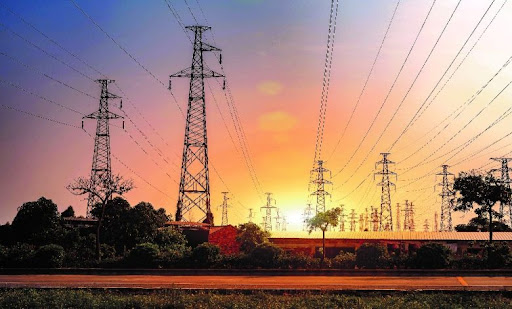
Zambia’s power utility, ZESCO has reportedly been spending between US$20 million to US$25million on imports monthly to cushion the power shortages in the country.
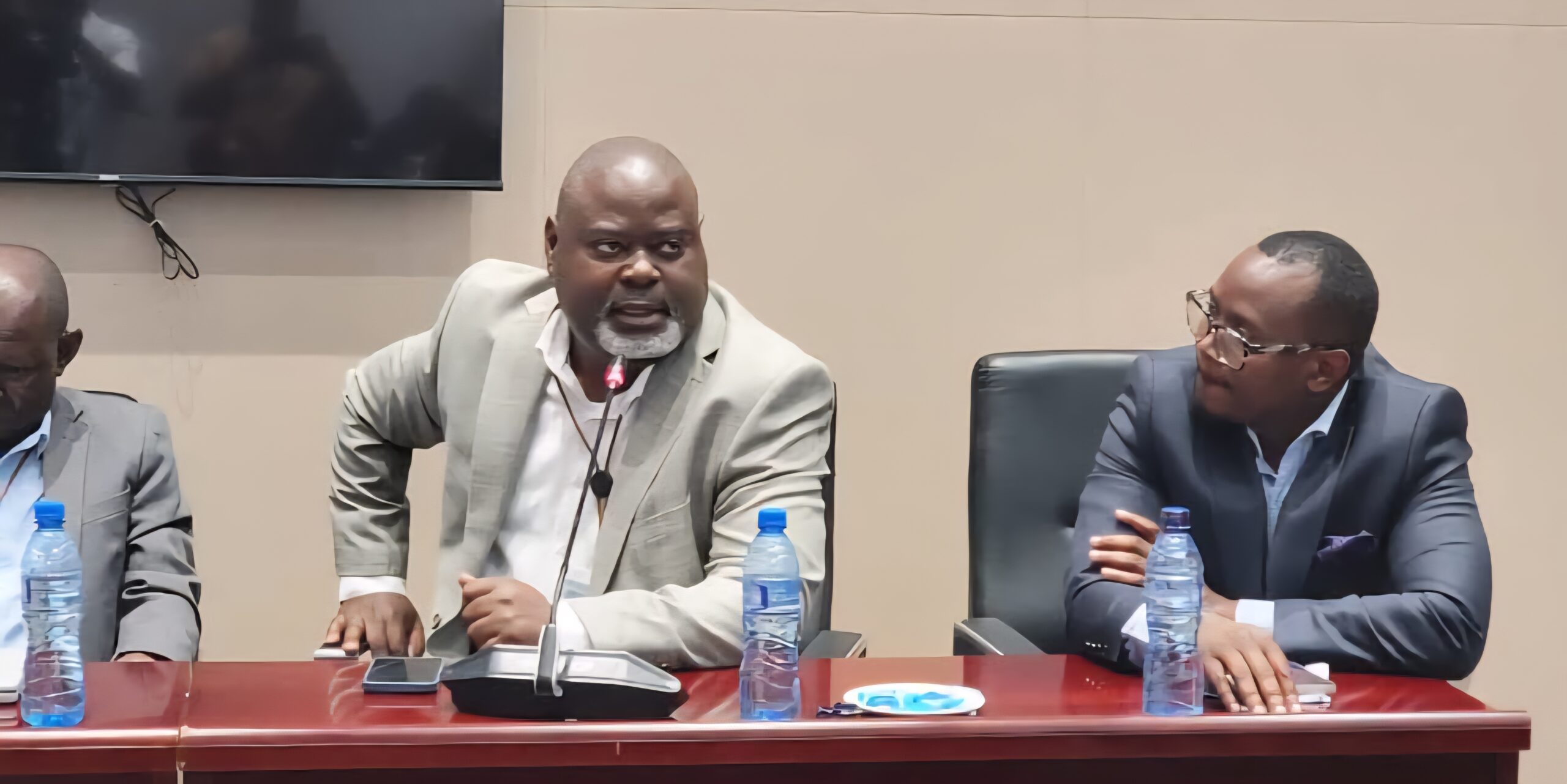
ZESCO Senior Manager Power Trading and Management, Collins Mumba, said the firm had also reduced on electricity exports to prioritize domestic supply as the country grapples with an ongoing power deficit.
Mumba said this during a media engagement meeting held at Mulungushi International Conference Centre, Kenneth Kaunda International Conference Centre wing in Lusaka on Thursday.
“The power utility firm will from October, 1, 2025 reduce power exports from the current 520 mega watts to 106 mega watts,” Mumba stated.
He said the decision was made to cushion Zambians from deeper load-shedding as water levels at major hydroelectric stations remain critically low.
Mumba explained that the sharp cut in exports reflects management’s resolve to ensure that local demand is met before regional customers are supplied.
“Zambia was still importing power daily from regional sources to stabilize the grid, without such imports, the country’s energy situation would be much worse,” he said.
Mumba, however, stressed that while these interventions provide relief, Zambia urgently needs long-term investment in diverse energy sources to ensure sustainable electricity generation and reduce dependence on external imports.
He further said the power utility firm was working round the clock to address the challenge of restoring power on time, adding that impromptu delays and compliance on restoring power was as a result of vandalism on most of its installations.
“The New Dawn administration’s resolve to have 1,000 mega watts of solar power be added to the country’s national grid would enable Zambia to become energy sufficient,” Mumba said.
Similary, ZESCO Director for Distribution Engineer Boniface Siasika, said the firm had about 520 mega watts available for distribution to its customers in Lusaka and Copperbelt respectively while the rest of the province had slightly lower power demands for every 24 hour cycle.
“Other reasons for the delay in the restoration of power was as a result of power substations who’s switch boards were manual and required the physical presence of ZESCO to restore and cut power,” Siasika said.
WARNING! All rights reserved. This material, and other digital content on this website, may not be reproduced, published, broadcast, rewritten or redistributed in whole or in part without prior express permission from ZAMBIA MONITOR.







Comments