
 By
By 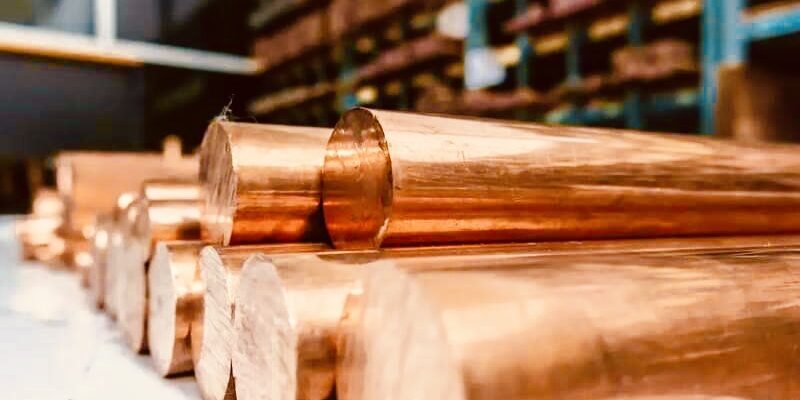
Global markets opened the week cautiously as escalating tensions in the Middle East pressured copper prices, strengthened the United States dollar and created uncertainty for emerging market currencies, including the Zambian Kwacha.
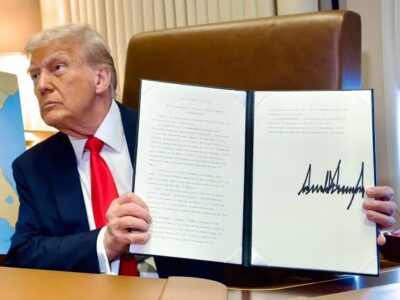
Investment bank Goldman Sachs warned that copper prices could decline further if the Strait of Hormuz remains blocked, as investors brace for a deadline set by United States President Donald Trump for negotiations with Iran.
Analysts say prolonged disruption along the strategic oil route could push energy prices higher, slow global economic growth and weaken demand for industrial metals.
According to Access Bank Group market commentary, “copper has already fallen by about seven percent following United States and Israeli strikes on Iran, reflecting growing uncertainty in global markets.”
Read more: Copper prices on course for second weekly gain, as Kwacha extends rally
Despite tight supply conditions outside the United States and ongoing strategic stockpiling, Goldman Sachs noted that copper was currently trading above its estimated fair value of US$11,100 per tonne.
The bank has also trimmed its 2026 average copper price forecast to US$12,650 per tonne, down from US$12,850, with the metal recently trading at about US$12,400 on the London Metal Exchange.
Meanwhile, the United States dollar strengthened as investors moved toward safe-haven assets amid rising geopolitical risks.
The Bloomberg Dollar Spot Index rose 0.1 percent as markets reacted to increased uncertainty ahead of the US deadline for negotiations with Tehran.
Analysts say the dollar could continue to benefit from heightened risk aversion and rising energy prices.
Currency volatility is also increasing globally, with JPMorgan’s one-month G-10 currency volatility index indicating growing uncertainty across major currencies.
Locally, the Zambian Kwacha closed last week at 19.4069 against the US dollar, according to Bloomberg data.
However, the local currency could receive short-term support from provisional tax payments due on April 10, which typically increase demand for the Kwacha.
Despite this, analysts caution that persistent geopolitical tensions and stronger global demand for the dollar may limit any gains.
Markets have already begun the week in a risk-off mood, with escalating tensions between the United States and Iran expected to continue influencing commodity prices and emerging market currencies, including the kwacha.
WARNING! All rights reserved. This material, and other digital content on this website, may not be reproduced, published, broadcast, rewritten or redistributed in whole or in part without prior express permission from ZAMBIA MONITOR.










Comments