
 By
By 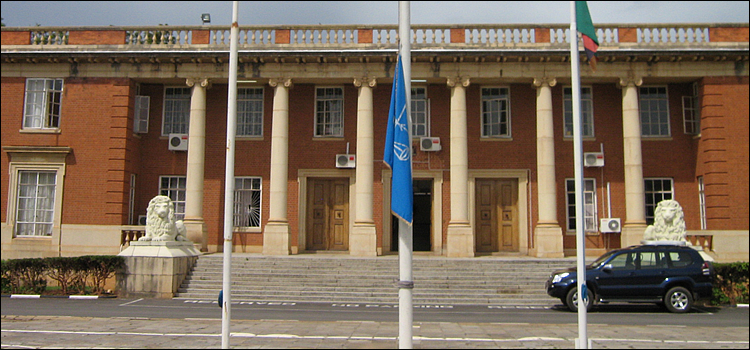
The Lusaka High Court has been asked to strike down parts of a new law that makes certain sexual offences non-bailable, with constitutional lawyer Tresford Chali arguing that the provisions erode basic legal protections.
Chali has filed a petition challenging the Criminal Procedure Code (Amendment) Act No. 4 of 2026, specifically its provisions relating to rape, defilement, and incest.
The law, enacted after the President assented to Bill No. 29 of 2025 on March 31, 2026, classifies the offences among those for which bail cannot be granted.
Chali argued that the removal of bail violates the right to personal liberty under Article 11 of the Constitution.
“The removal of bail from sexual offences will automatically place an accused person as guilty… before their side of the story is heard,” he stated in the petition.
He submitted that detaining accused persons for extended periods before trial amounts to inhuman or degrading treatment, contrary to Article 15.
Chali also cited Article 18, arguing that the presumption of innocence is compromised when suspects are effectively punished before conviction.
He further questioned whether the amendment met the constitutional threshold for limiting rights in the interest of public safety, order, or morality, noting the absence of evidence showing a surge in such offences or public demand for stricter measures.
The petition also highlights the lack of provisions for expedited trials, such as fast-track courts, despite constitutional safeguards addressing prolonged detention.
According to Chali, sexual offence cases could take several years to conclude, during which accused persons would remain in custody without compensation if later acquitted.
He also raised concern over the absence of safeguards to address false or malicious accusations.
Chali urged the court to apply national values such as democracy, human dignity, and equality when interpreting the Constitution.
He is seeking a declaration that the contested provisions are unconstitutional and void to the extent of their inconsistency.
The Attorney General has been cited as the respondent in the matter.
WARNING! All rights reserved. This material, and other digital content on this website, may not be reproduced, published, broadcast, rewritten or redistributed in whole or in part without prior express permission from ZAMBIA MONITOR





Comments