
 By
By 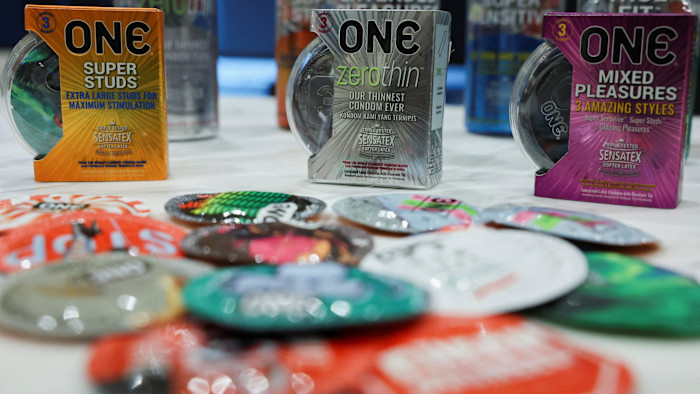
The head of the world’s largest condom manufacturer, Karex, has warned that prices could rise by up to 30 percent or more as the Iran conflict continues to disrupt global supply chains and drive up production costs.
Karex Chief Executive Officer, Goh Miah Kiat, said the Malaysia-based company has been hit by sharp increases in the cost of raw materials used in condom production since the start of the war.
Goh made the comments in interviews with Reuters and Bloomberg, the BBC contacted the company.
“The situation is very fragile… we have no choice but to transfer the costs to customers,” Goh told Reuters.
Karex produces more than five billion condoms annually, supplying major global brands such as Durex and Trojan, as well as public health programmes including the United Kingdom’s National Health Service and United Nations agencies.
The company relies heavily on oil-derived inputs, including synthetic rubber, nitrile, ammonia and silicone-based lubricants. Prices of these materials have surged as the conflict disrupts energy and petrochemical flows from the Middle East.
Global supply chains have been strained by the crisis, particularly after tensions in the Strait of Hormuz, a key shipping route for oil and gas, triggered delays and higher freight costs.
Goh said demand for condoms has also risen by about 30 percent this year, as supply shortages and shipping delays leave buyers with depleted inventories.
“In bad times, the need to use condoms is even more because you’re uncertain with your future,” he told Bloomberg in a separate interview.
Read More: US arrests Iranian woman over alleged arms trafficking to Sudan
The price increases highlight the broader economic impact of the Iran conflict, which has already driven up global energy costs and disrupted supply chains across multiple industries.
Airfares have risen sharply, while shortages and higher prices have also been reported in fertiliser, helium used in semiconductor production, and other goods dependent on petrochemical inputs.
Manufacturers in sectors such as bottled water are also facing pressure due to difficulties sourcing raw materials, while the United Nations has warned that rising transport costs could push up prices of food products including sugar, dairy and fruit.
Meanwhile, the status of peace talks between the United States and Iran remains uncertain. U.S. President Donald Trump said on Wednesday he would extend a ceasefire between the two countries as negotiations continue.
WARNING! All rights reserved. This material, and other digital content on this website, may not be reproduced, published, broadcast, rewritten or redistributed in whole or in part without prior express permission from ZAMBIA MONITOR.











Comments