
 By
By 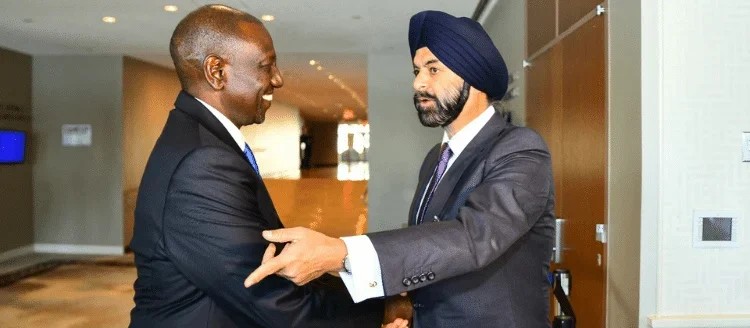
Kenya has sought emergency financial support from the World Bank to cushion its economy against shocks linked to ongoing geopolitical tensions involving Iran.
According to the Kenya Times, Central Bank Governor, Kamau Thugge, said the request, though significant, had no disclosed figure.
The proposed support is expected under the World Bank’s rapid response financing mechanisms, which provide quick-disbursing funds and policy assistance to countries facing economic disruptions.
The emergency funding would complement ongoing discussions around a separate budgetary support programme known as Development Policy Operations.
Read more: Sub-Saharan Africa sinking into mounting fiscal pressure from Gulf crisis, IMF warns
Thugge said the Kenyan shilling, which came under pressure during heightened tensions involving the United States, Israel, and Iran, had since stabilised and recovered much of its losses.
He added that any future depreciation was expected to be gradual, supported by strong foreign exchange reserves.
Kenya’s reserves currently stand at over US$13 billion, equivalent to about 5.8 months of import cover.
The Central Bank is also exploring diversification of its reserves, including the potential addition of gold holdings.
Thugge said policymakers were reviewing international models to guide possible domestic gold purchases.
On monetary policy, the governor said future interest rate decisions would depend on incoming economic data ahead of the next policy meeting scheduled for June.
This comes as the World Bank downgraded Kenya’s 2026 economic growth forecast to 4.4 percent in its April Africa Economic Update, citing high debt servicing costs, global pressures, and regional instability.
The report noted that shifts in the composition of Sub-Saharan Africa’s external debt had increased exposure to global financing conditions, raising borrowing costs and refinancing risks.
The World Bank urged Kenya to adopt more targeted fiscal and industrial policies to sustain growth and build resilience against external shocks.
It also cautioned against broad consumer subsidies, such as fuel price interventions, describing them as costly and often inefficient.
Instead, the lender recommended redirecting resources toward programmes that strengthened economic shock preparedness and expand employment opportunities, particularly within rural agricultural value chains.
WARNING! All rights reserved. This material, and other digital content on this website, may not be reproduced, published, broadcast, rewritten or redistributed in whole or in part without prior express permission from ZAMBIA MONITOR.









Comments