
 By
By 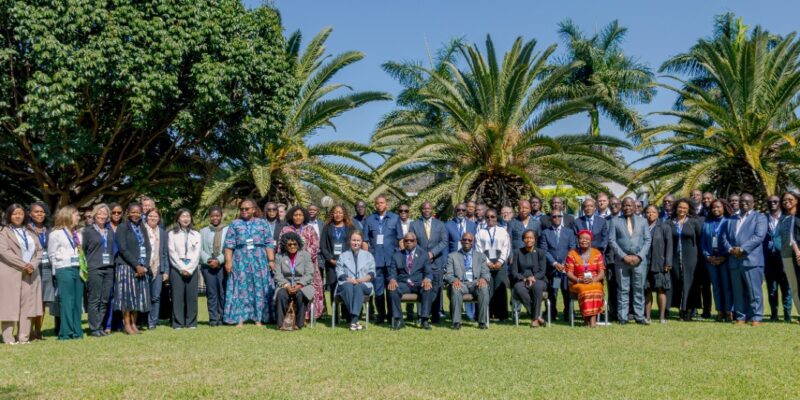
Southern African countries are seeking to capture a larger share of the global clean energy economy following the launch of a new regional initiative aimed at promoting value addition and industrialisation in the critical minerals sector.
The United Nations Economic Commission for Africa (ECA) on Tuesday launched the International Climate Initiative (IKI) project, a five-year programme designed to support environmentally sustainable, socially inclusive and low-carbon value chains for energy transition minerals across the Southern African Development Community (SADC).
The initiative comes amid soaring global demand for minerals such as copper, cobalt, lithium, nickel, manganese and rare earth elements, which are key components in electric vehicles, battery storage systems, renewable energy technologies and other low-carbon industries.
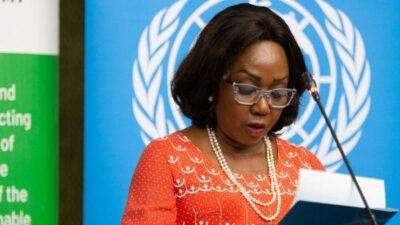
Speaking during the launch in Lusaka, ECA Sub-Regional Office for Southern Africa Director, Eunice Kamwendo, said the project seeks to help African countries move beyond the export of raw minerals and unlock greater economic benefits through beneficiation and industrial production.
Kamwendo said despite holding vast reserves of critical minerals needed for the global energy transition, Africa continues to derive limited value because much of its mineral wealth is exported in raw or semi-processed form.
“This initiative provides a pathway for our member states to leverage their comparative advantages by moving up the value chain from extraction to beneficiation and industrial production,” she said.
The programme, which will run from March 2026 to February 2031, is being implemented by ECA and its consortium partners with financial support from the German Government through the International Climate Initiative.
Read more: Zambia launches SADC project to build responsible mineral value chains for energy transition
Participating countries include Zambia, the Democratic Republic of Congo (DRC), Mozambique, Namibia, South Africa and Zimbabwe.
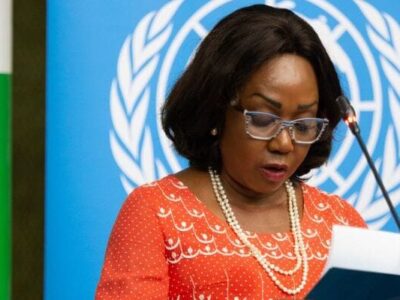
Counsellor and Head of Environmental Affairs and Climate Action at the German Embassy in South Africa, Verena Stöckigt, said the SADC region has a strategic role to play in supplying minerals required for the global shift towards clean energy technologies.
Stöckigt said the expected growth in demand for critical minerals presents an opportunity for economic transformation, but cautioned that the sector must be developed responsibly.
She stressed the importance of environmental protection, biodiversity conservation, social inclusion and local value addition to ensure communities benefit from the mineral boom.
“The transition to a low-carbon economy is a collective task. By working together with Zambia and the broader SADC region, we can ensure that the minerals essential for the global energy transition are produced in a manner that safeguards our planet and uplifts our people,” she said.
Ministry of Mines and Minerals Development Permanent Secretary, Hapenga Kabeta, said the project aligns with Zambia’s development agenda as well as continental and regional frameworks such as the Africa Mining Vision and the SADC Regional Mining Vision.
Kabeta noted that while demand for energy transition minerals is creating significant opportunities for the region, challenges such as limited value addition, weak environmental governance systems and inadequate participation of local communities continue to hinder the sector’s full potential.
Meanwhile, Ministry of Green Economy and Environment Permanent Secretary, Douty Chibamba, said Zambia’s abundant copper and cobalt resources could serve as a catalyst for economic transformation if managed sustainably.
Chibamba called for stronger environmental governance, increased local content participation and broader community involvement to ensure mining contributes to inclusive and sustainable development.
Under the initiative, participating countries will work to strengthen regional policy frameworks, improve environmental monitoring and regulatory oversight, empower civil society and local communities, and implement practical climate, water and biodiversity management programmes.
WARNING! All rights reserved. This material, and other digital content on this website, may not be reproduced, published, broadcast, rewritten or redistributed in whole or in part without prior express permission from ZAMBIA MONITOR.




Comments