
 By
By 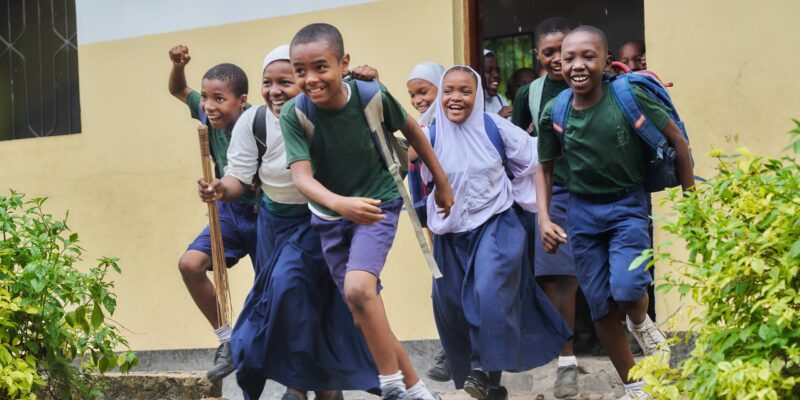
For more than two decades, education policy across much of Africa has been driven by a single objective: getting children into school. Classrooms were built, enrolment expanded, school fees were removed in many countries, and millions more children crossed school gates for the first time.
That achievement was significant. Yet a more difficult question has begun to emerge. What happens when attendance increases faster than learning?
Across the continent, many children now spend years in school without acquiring the foundational skills needed to benefit fully from education. A child can attend class, copy notes, complete assignments and progress through grades, yet still struggle to read with understanding. School records can confirm presence, but reading ability reveals whether learning is actually taking place.
The economic implications are becoming increasingly difficult to ignore. The World Bank’s 2026 Human Capital review reported declines in health, education or workplace learning outcomes in 86 of 129 low- and middle-income countries between 2010 and 2025. It also estimated that children born today in those countries could earn 51 percent more over their lifetimes if national human-capital performance matched that of the best-performing peers at similar income levels. Meanwhile, global education monitoring data suggests that six in ten children still fail to achieve minimum proficiency in reading and mathematics by the end of primary school.
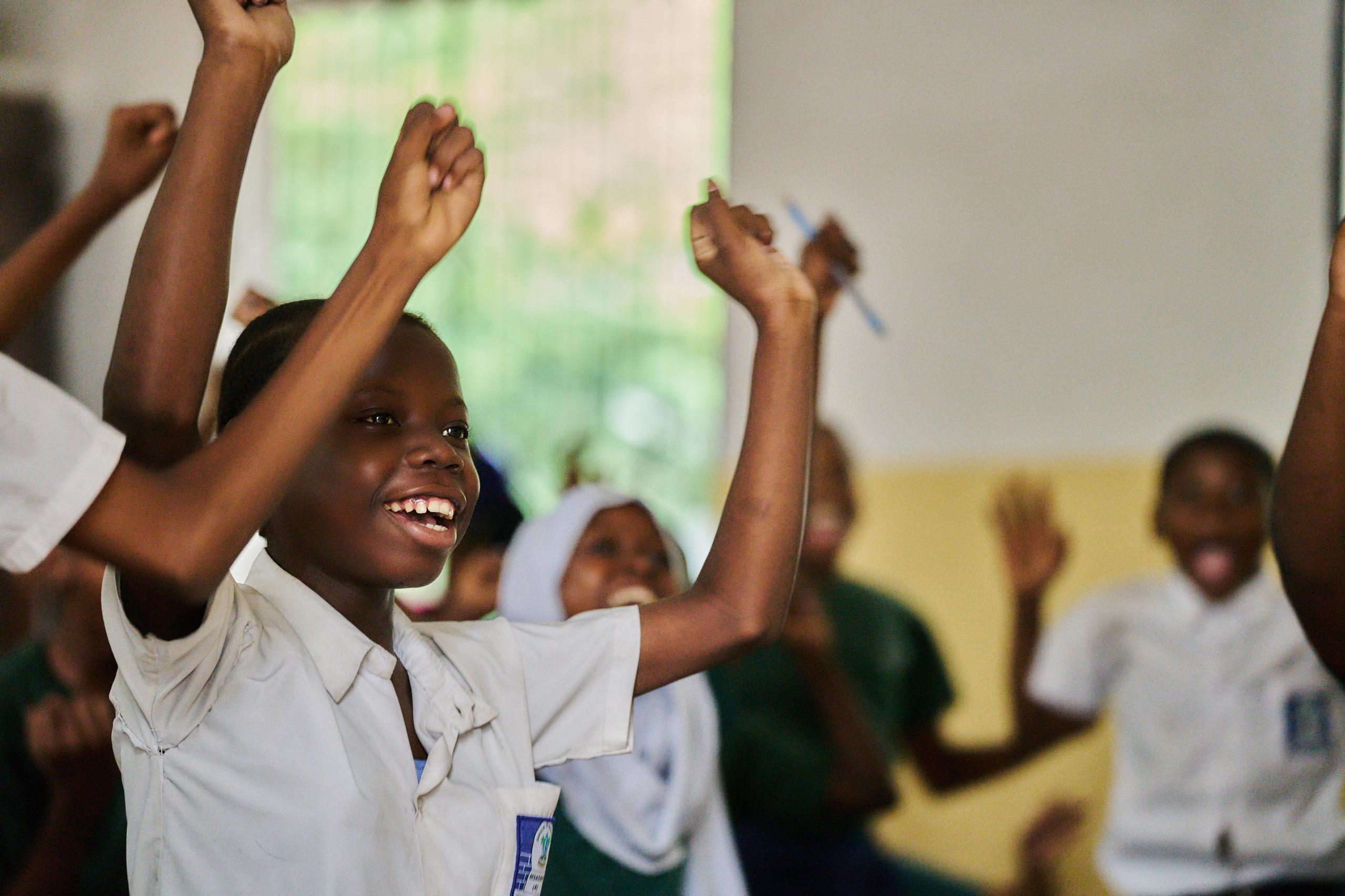
These statistics elevate reading beyond the education sector. Reading is not simply another learning outcome; it is the foundation upon which all other learning rests. A child who struggles to read is likely to face difficulties in science, mathematics, vocational training, digital literacy and, eventually, employment. Reading functions less like a subject and more like the operating system that enables the rest of education to work.
This reality requires a more honest conversation about learning. Classrooms, teachers and textbooks remain indispensable, but educational success cannot be measured solely by the number of children enrolled or the number of lessons delivered. A teacher may explain a concept clearly and thoroughly, yet some children will still need additional opportunities to understand it. Parents may value education deeply, yet lack the books, confidence, time or resources needed to support learning at home.
For this reason, the hours after school deserve far greater attention than they currently receive. In practice, they are already part of a child’s learning journey, whether education policy recognises them or not.
Across Africa, learning continues in homes equipped with very different resources. Some families have bookshelves and internet access. Others rely on a radio playing in the background, a shared mobile phone, a television set, or conversations between siblings and caregivers. These tools are often viewed as entertainment, yet when thoughtfully designed, they can also become powerful opportunities for reinforcement and practice.
No television programme can replace a teacher, and no radio lesson can compensate for a weak education system. However, many children do not need a completely different lesson; they simply need a second chance to encounter the same idea. Educational media can provide that opportunity at a scale and cost that few other interventions can match.
This is the space increasingly occupied by organisations such as Ubongo, the Tanzania-founded educational media organisation whose content reaches millions of children across Sub-Saharan Africa through free-to-air television, radio, digital platforms and community partnerships. The significance of such models lies not in technological novelty but in their ability to meet children where they already are, using channels that remain accessible even in communities where books, trained support and reliable internet access are limited.
Viewed this way, educational media becomes part of a broader learning ecosystem. Schools introduce concepts. Stories and songs reinforce them. Caregivers repeat them in everyday conversations. Teachers revisit them using examples children already recognise. The power lies not in any single intervention, but in repetition across multiple settings.
Language adds another important dimension. Across many African countries, children begin learning in languages different from those spoken at home. When a child struggles to follow a lesson, the challenge may not always be intellectual; it may begin with the language through which the lesson is delivered. Research consistently shows that children learn foundational skills more effectively when those skills are introduced in familiar languages.
This understanding has driven increasing investment in local-language educational content across the continent. Ubongo, for example, has adapted programmes into languages including Kiswahili, Hausa, Yoruba, Igbo, Chichewa, Lingala, Amharic, isiZulu, Oromo, English, French and Portuguese. The objective is straightforward: children should not have to leave the language of home behind before they can begin to learn.
Programmes such as Akili and Me, Ubongo Kids and Akili Academy use stories, songs and animation to support early literacy, numeracy, science and social-emotional learning. A child may experience the content as entertainment, while parents and teachers gain additional tools for reinforcing concepts that require more time and practice.
Still, scale alone should not be mistaken for success. Africa has seen too many education initiatives celebrate reach before demonstrating learning. Ambitions to reach tens or even hundreds of millions of children matter only if they are accompanied by evidence that children are reading better, understanding more and gaining stronger foundations for future learning.
Schools will remain at the centre of any solution to Africa’s learning crisis. Nothing can replace trained teachers, functioning classrooms and strong education systems. Yet the continent can no longer afford to ignore what happens once the school bell rings.
In the effort to turn schooling into learning, the second lesson may be just as important as the first.
WARNING! All rights reserved. This material, and other digital content on this website, may not be reproduced, published, broadcast, rewritten or redistributed in whole or in part without prior express permission from ZAMBIA MONITOR.




Comments