
 By
By 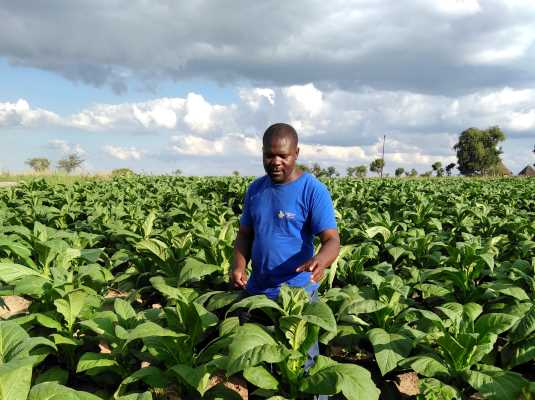
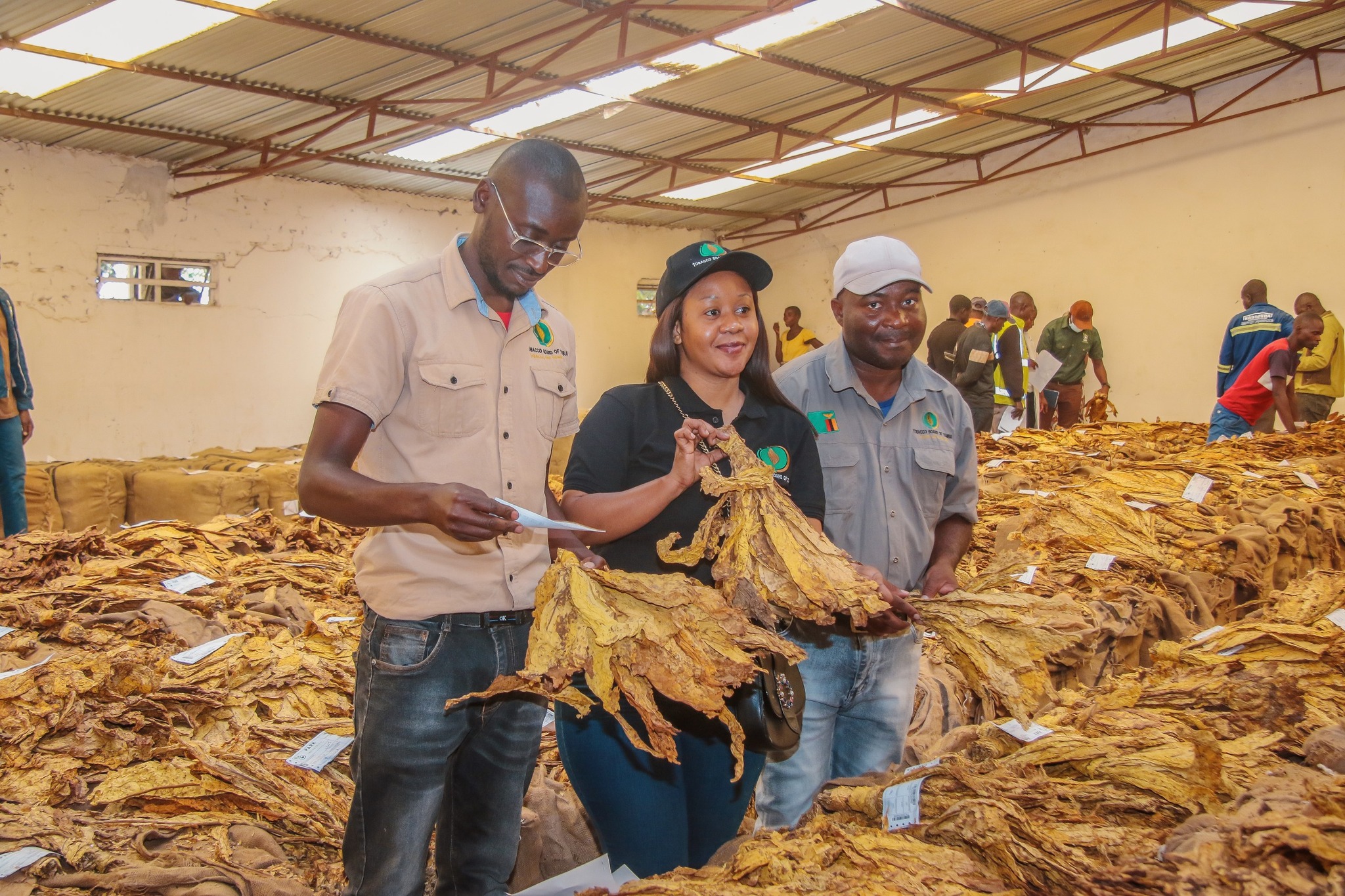
Zambia’s Tobacco production has risen from about 30 million kilogrammes in 2022 to more than 100 million kilogrammes in 2025, boosting export earnings, Gross Domestic Product contribution and rural livelihoods, authorities have revealed.
Ministry of Agriculture Director for Agriculture Mdashe Kapalu, however, warned that the sector was now operating in a more demanding global market shaped by changing consumer preferences, strict sustainability standards, climate pressures and rising competition.
Speaking during a related event in Lusaka at the Radisson Blu Hotel, Kapalu described the increase as a clear sign of commitment from farmers and industry players.
He said the tobacco industry remained important to Zambia’s economy, but that its future growth depended on making farming and the industry more productive, profitable, sustainable and competitive.
“The sector remains one of Zambia’s most commercially viable agricultural industries, contributing significantly to export earnings, employment creation and rural development,” Kapalu said.
He emphasized that access to affordable financing remained critical, adding that Government was working on mechanisms to support investment in irrigation, mechanisation, climate adaptation technologies, processing and value addition.
Kapalu encouraged increased investment in downstream processing, saying Zambia must move beyond raw production if it is to fully benefit from its agricultural commodities.
“Sustaining recent growth requires continued investment in productivity improvement, quality enhancement, climate resilience and stronger market competitiveness,” he said.
Read More: Zambia opens tobacco market season, targets 80 million kilograms in 2026
Kapalu added that Government remained committed to creating an enabling environment that supported productivity, investment, value addition and competitiveness, while strengthening cooperation between farmers, processors, buyers, financiers and other stakeholders.
He pointed out that the proposed Public-Private Partnership Tobacco Industrial Park could boost industrial development, export earnings and job creation.
“Government is prioritising climate resilience through irrigation development, water harvesting, climate-smart agriculture, sustainable land management and environmental protection,” Kapalu stated
He urged industry players to adopt modern technologies and sustainable production practices that improved efficiency while protecting natural resources.
He also emphasised the importance of the Tobacco Act and Tobacco General Regulations, 2026, saying they were key to ensuring transparency, accountability, compliance and orderly growth of the sector.
Earlier, Sianga Musheke, the Tobacco Association of Zambia (TAZ) President called for policies that improved farmer profitability and strengthen the competitiveness of the tobacco industry.
“The sector remains a key source of export earnings, jobs and rural development, despite rising global challenges. Changing global demand, tougher sustainability standards and increasing competition are pushing producers to become more efficient and innovative,” Musheke said.
WARNING! All rights reserved. This material, and other digital content on this website, may not be reproduced, published, broadcast, rewritten or redistributed in whole or in part without prior express permission from ZAMBIA MONITOR











Comments