
 By
By 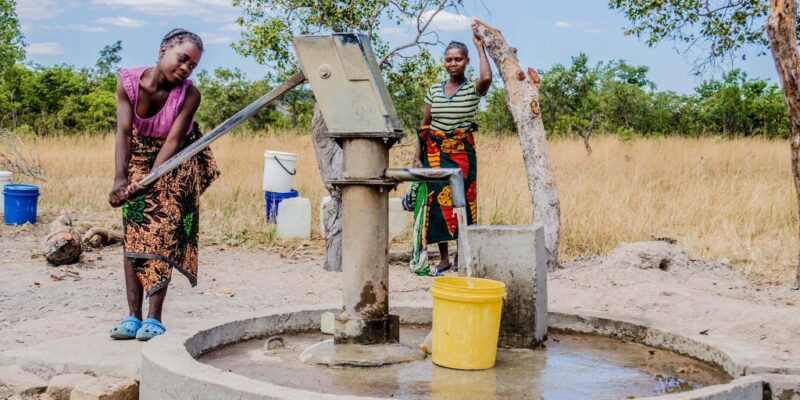
World Vision Zambia has called on the Government to increase investment in Water, Sanitation and Hygiene (WASH) as a core strategy to tackle child malnutrition and strengthen child health outcomes.
Associate Director for Advocacy, Gerald Kaputo, stressed that access to safe water, adequate sanitation, and proper hygiene was both a fundamental human right and a determinant of child nutrition, growth, and survival.
In a statement issued in Lusaka, Kaputo said through its programmes the organisation had discovered limited access to safe water and sanitation services among the leading drivers of child malnutrition in many communities across the country.
He referenced data from the WHO/UNICEF Joint Monitoring Programme for 2023–2024 which pointed to wide gaps in WASH access nationwide.
“13 percent of health facilities lack water services, 21 percent of schools lack basic water access, and 17 percent lack adequate sanitation facilities,” Kaputo stated
He highlighted that at the household level, 27 percent of families lacked basic water services, 63 percent lacked basic sanitation, and 82 percent lacked basic hygiene facilities.
Kaputo stated that among the poorest households, 60 percent lacked access to basic water services.
Read More: Water supply disrupted in Chingola as Mulonga shuts treatment plants
He further noted that the 2026 national budget allocated approximately K2.6 billion to the WASH sector, around 1percent of the K253.1 billion national budget.
“This falls well short of the 5 percent investment target set under the Eighth National Development Plan, leaving an estimated financing gap of more than K10 billion,” Kaputo said.
He argued that inadequate WASH services exposed children to diarrhoeal diseases, intestinal infections and environmental enteric dysfunction, each of which hinders nutrient absorption and drives stunting, wasting and undernutrition.
Kaputo said investment in safe water, sanitation and hygiene therefore stood among the most effective interventions for improving child nutrition and overall well-being.
“We urge the Government and stakeholders to increase funding for rural and peri-urban WASH infrastructure, integrate WASH into nutrition and health programmes, strengthen hygiene behaviour change initiatives and improve coordination among relevant ministries,” he said.
Kaputo emphasized that increased investment in WASH would improve child health outcomes, raise school attendance, lift productivity, and build a healthier, more prosperous Zambia.
WARNING! All rights reserved. This material, and other digital content on this website, may not be reproduced, published, broadcast, rewritten or redistributed in whole or in part without prior express permission from ZAMBIA MONITOR.







Comments