
 By
By 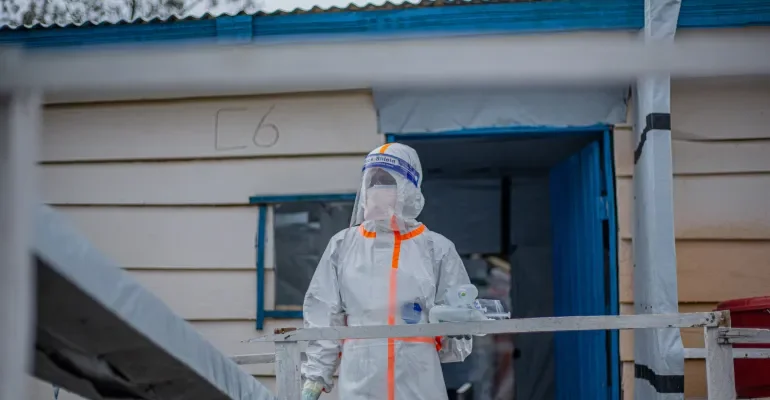
The latest Ebola outbreak in the Democratic Republic of Congo (DRC) has claimed at least 930 lives, with health authorities and the World Health Organization (WHO) warning that the virus was spreading at an unprecedented pace.
According to the DRC Ministry of Health as reported by Aljazeera, confirmed Ebola cases have risen to at least 2,344, with 37 deaths recorded in a single 24-hour period between Friday and Saturday, one of the highest daily fatality figures since the outbreak was declared on May 15.
The WHO said the outbreak was expanding faster than any previous Ebola epidemic recorded in the country.
WHO Director-General Tedros Adhanom Ghebreyesus said it took more than 10 months for the 2018-2020 Ebola outbreak in the DRC to reach 2,000 confirmed cases. In contrast, the current outbreak surpassed that mark in just two months.
Read more: DRC bans mass gatherings in Kinshasa over Ebola fears, opposition calls move political
“It is now the third-largest Ebola outbreak on record,” Dr Tedros said, adding that the actual number of infections could be at least double the confirmed cases because of underreporting.
The DRC’s 17th Ebola outbreak was first detected in the northeastern province of Ituri following several unexplained deaths. The disease has since spread to five provinces and crossed into neighbouring Uganda.
While Uganda is nearing the end of its outbreak and is close to becoming virus-free, WHO said transmission continued to intensify in the DRC, particularly in conflict-affected areas where insecurity has complicated response efforts.
The outbreak has been further aggravated by a strike by healthcare workers in Ituri, where the highest number of deaths has been recorded.
Medical staff at Bunia General Hospital last week blocked access to the facility, protesting delays in receiving compensation for treating Ebola patients under difficult and high-risk conditions.
Ebola is a highly infectious viral disease transmitted through direct contact with the bodily fluids of infected people or contaminated materials.
Symptoms include fever, vomiting, diarrhoea and internal and external bleeding, with severe cases often proving fatal if not treated promptly.
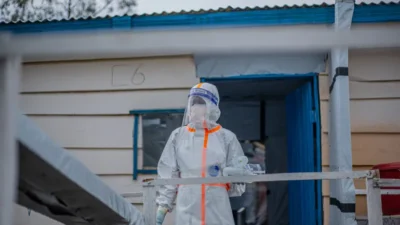
Health authorities continue to intensify surveillance, treatment, contact tracing and vaccination campaigns in an effort to contain the outbreak, while the WHO has appealed for increased international support to prevent further spread of the virus.
WARNING! All rights reserved. This material, and other digital content on this website, may not be reproduced, published, broadcast, rewritten or redistributed in whole or in part without prior express permission from ZAMBIA MONITOR.






Comments