
 By
By 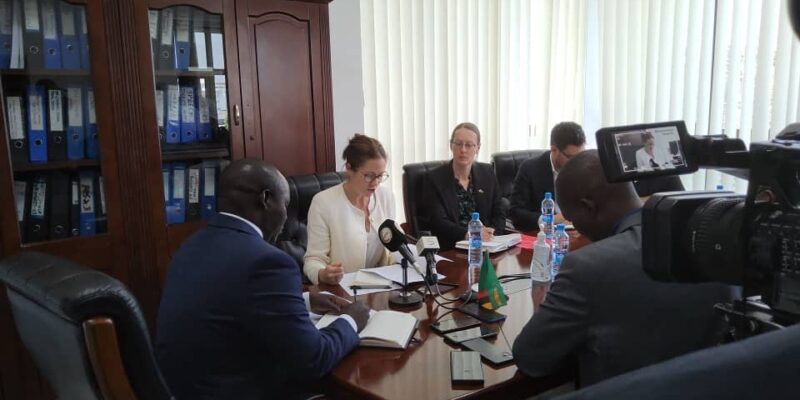
Zambia has called on British investors to increase their participation in the country’s carbon credit markets, saying the sector could unlock climate finance for investment in key areas of the economy.
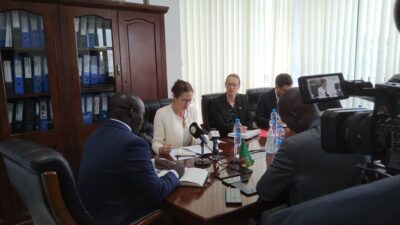
Green Economy and Environment Minister, Gabriel Siame, said greater private-sector participation from Britain would help mobilise innovative climate finance to support government and citizens’ investment priorities.
Siame was speaking during a courtesy call by British High Commissioner to Zambia, Rebecca Terzeon, at his office in Lusaka on Thursday.
He said Zambia had significant opportunities in carbon markets but was not yet receiving a large enough share of the potential investment.
“We would really request the participation of the British private sector, more participation of the British private sector in carbon markets. Zambia has plenty opportunity in that space and carbon markets is another directive of the president,” Siame said.
He said expanding access to carbon finance could support investment in sectors including agriculture, energy and renewable energy.
“To open up capital finance that can speak to the investment priorities of government and of the citizens,” the minister said.
Siame also called for greater cooperation on climate adaptation and early warning systems to help Zambia respond to the effects of climate change.
“I think by starting with the British private sector space this is an area we can work around and so that we have more participation in the carbon credit markets,” he said.
Siame said Britain had significant experience and capacity that Zambia could leverage to strengthen climate action and service delivery.
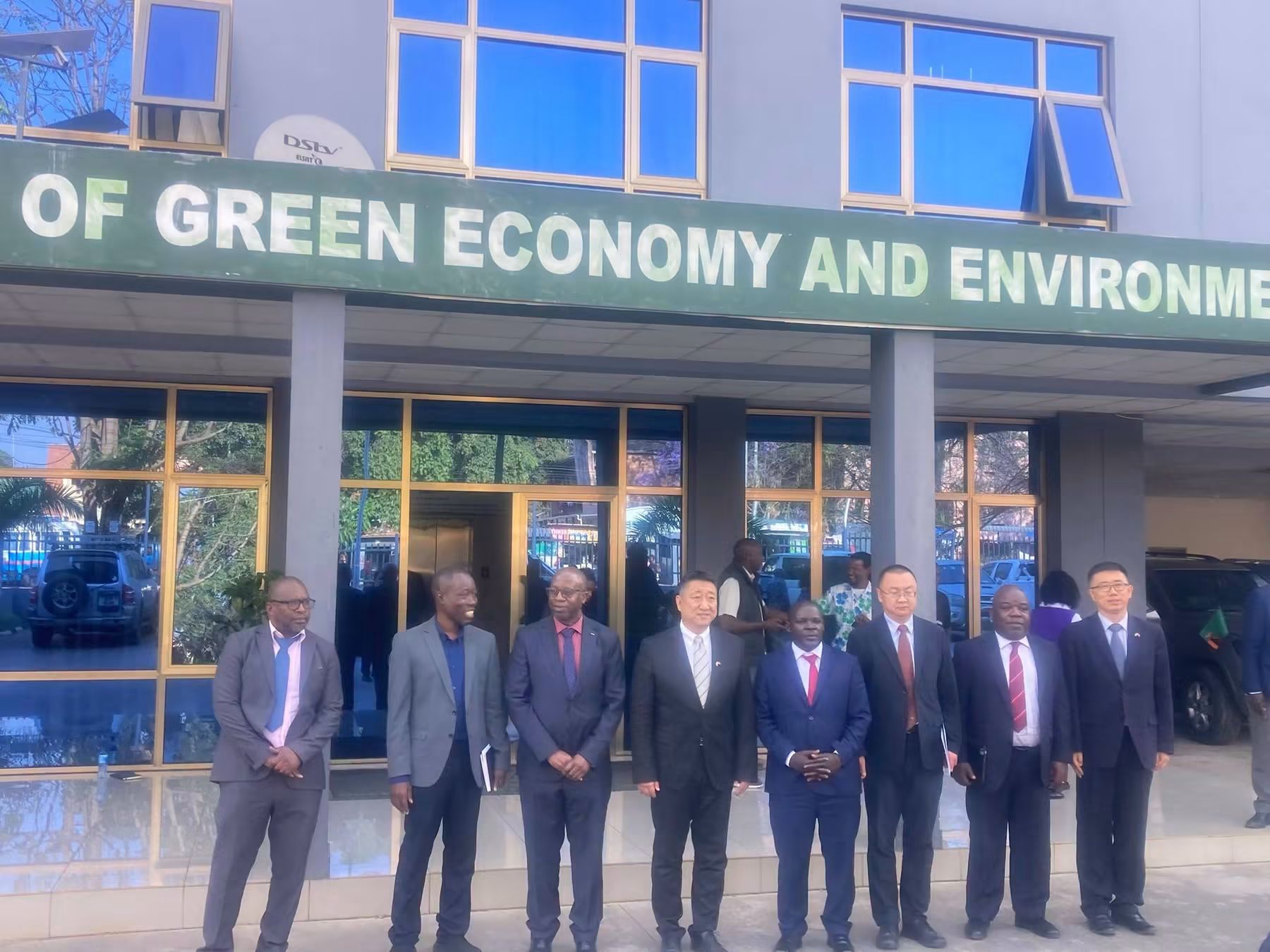
He also called on China to increase investment in Zambia’s green economy, particularly in renewable energy, electric mobility, forestry and climate-smart agriculture.
Read More: Zambia, Norway discuss carbon-credit deal to support stable IPP power tariffs
“The Ministry is open to partnerships that can accelerate economic growth while protecting Zambia’s environment and natural resources,” he said.
Siame highlighted opportunities in electric vehicle charging infrastructure, renewable energy, forest plantation development, clean cooking and advanced weather forecasting technology.
He also called for increased technology transfer, skills development and collaboration between Zambian and Chinese institutions.
Earlier, Terzeon reaffirmed Britain’s commitment to long-term and responsible investments that deliver development and social gains for Zambia.
She said Britain wanted investments that demonstrated clear impact, strengthened long-term partnerships and increased confidence among other investors considering entering the Zambian market.
“For example, a clear impact, long term partnership and investments which are responsible, which want to deliver development and social gains, and which want to grow confidence, confidence of other investors to come in, to come into the market as well,” she said.
Terzeon said the Climate Finance Unit was a key deliverable under the Green Growth Compact and the memorandum of understanding signed with Zambia, describing it as part of a broader ecosystem aimed at combining economic growth with development impact.
Meanwhile, Chinese Ambassador to Zambia, Han Jing, said China was ready to strengthen cooperation with Zambia in green development, renewable energy, environmental protection and climate action.
The meetings concluded with Zambia, Britain and China agreeing on the need to move from discussions to concrete investments and timely interventions that support the Grow Zambia Agenda and deliver tangible benefits to citizens.
WARNING! All rights reserved. This material, and other digital content on this website, may not be reproduced, published, broadcast, rewritten or redistributed in whole or in part without prior express permission from ZAMBIA MONITOR.








Comments