
 By
By 
Tobacco companies are increasingly using flavoured nicotine products, corporate social responsibility projects, conservation partnerships and rebranded non-profit organisations to build legitimacy and influence public policy in Africa, journalists were told on Thursday.
The trends were highlighted during a two-day online training workshop for journalists from South Africa, Zambia, Kenya, Ethiopia and Nigeria on evidence-informed reporting using the Tobacco Control Data Initiative (TCDI) dashboard.
The dashboard, developed by the Centre for the Study of the Economies of Africa (CSEA) and Development Gateway, provides country-level data on tobacco use, health impacts, economic trends and industry activities to support investigative and data-driven journalism.
Phillip Jakpor of CSEA said the training aimed to equip journalists to track evolving industry strategies that had moved beyond overt advertising towards efforts to gain legitimacy in public health and policy spaces.
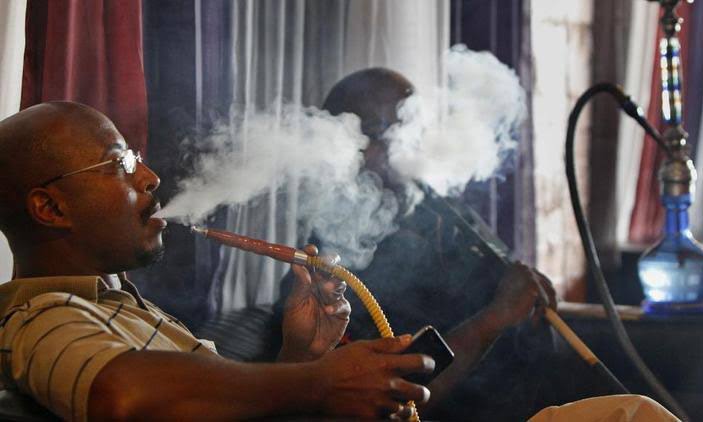
“The face of tobacco has changed. The cigarette is no longer the only face of the industry. We now have flavoured cigarettes, electronic cigarettes, vapes, heated tobacco products, synthetic nicotine and shisha targeted at young impressionable people,” Jakpor said.
He said the availability of products with flavours such as orange, pineapple and banana demonstrated what he described as deliberate targeting of young people who may be tempted to experiment despite health risks.
“The industry is commissioning water projects, branding boreholes and using corporate social responsibility to gain public endorsement and positive media coverage. The media is the beautiful bride that we must all court,” Jakpor said.
According to the presentation, tobacco companies were also engaging organisations working on environmental and climate issues in ways Jakpor said could help portray them as responsible stakeholders.
“You can see an industry that will not do that much billboards anymore, you don’t see TV adverts, you don’t hear radio jingles but they have infiltrated all these spaces which makes them far more relevant,” Jakpor said.
He said the industry was also using terms such as “heat not burn”, “smoke-free”, “tobacco-free” and “tobacco harm reduction” while promoting claims about the risks associated with vaping.
Read More: Chewa traditional leaders ban cultivation of virginia tobacco, production of charcoals
“The words look good, they sound okay, it is global action to end smoking but in reality is that what the industry wants to do? That is a very deceptive narrative crafted to trivialize risks,” Jakpor said.
Jakpor cited the Foundation for a Smoke-Free World, which has been rebranded as Global Action to End Smoking, and said it had received substantial funding from Philip Morris International and supported research and civil society activities.
He also pointed to partnerships involving British American Tobacco and government agencies in Nigeria, including the Ministry of Agriculture and the Nigeria Customs Service, which he said included factory visits and publicised collaborations.
Jakpor said the industry’s approach had evolved from the era when tobacco advertising prominently featured the Marlboro Man, branded vehicles and event sponsorships, with companies also incorporating national colours and indigenous cultural imagery into their marketing.
Understanding that history could help journalists identify less visible forms of industry engagement today, he said.
The TCDI team urged journalists to scrutinise industry-funded research and claims made during the COVID-19 pandemic, including assertions that smokers were less likely to be hospitalised.
The team encouraged journalists to use data from the TCDI dashboard to strengthen reporting and independently verify claims when examining tobacco industry activity and potential influence on public health policy.
WARNING! All rights reserved. This material, and other digital content on this website, may not be reproduced, published, broadcast, rewritten or redistributed in whole or in part without prior express permission from ZAMBIA MONITOR.










Comments