
 By
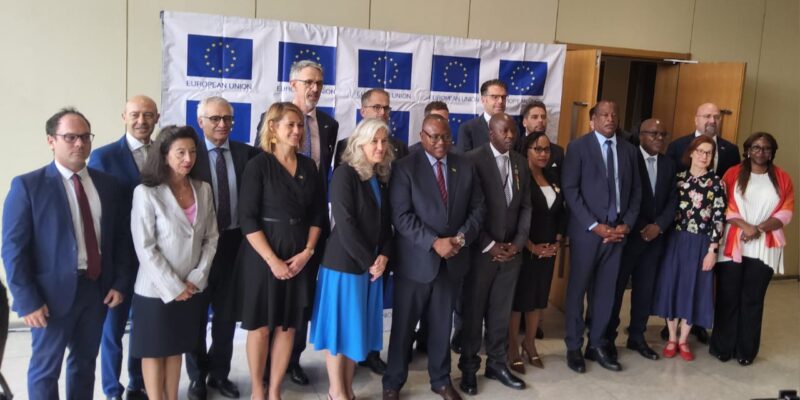
The European Union (EU) has urged Zambia to ensure that electoral grievances arising from the August 2026 general elections are addressed transparently through fair and impartial judicial processes, as the two parties agreed to work towards implementing recommendations from the EU Election Observation Mission (EOM).
The EU said the resolution of electoral disputes should fully respect the constitutional rights and responsibilities of citizens and institutions involved.
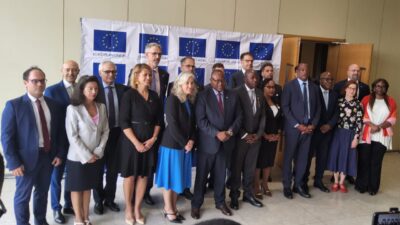
The position was outlined during the Second EU-Zambia Extraordinary Partnership Dialogue in Lusaka, which was convened at Zambia’s request to discuss challenges arising from the August elections and a European Parliament resolution on the country’s electoral environment.
European External Action Service Director for Africa Francesca Di Mauro congratulated President Hakainde Hichilema on his re-election for a second term and welcomed newly appointed and returning members of Cabinet and Parliament.
Di Mauro said the EU remained concerned about issues relating to electoral governance, civic space and the political environment, including concerns raised by both international and domestic stakeholders.
“We welcome this opportunity to engage openly with the Government on electoral governance, and the post-electoral situation, including concerns shared by both international and domestic stakeholders regarding the electoral process, civic space and the political environment,” she said.
She said the concerns included access to justice, transparency of electoral processes and respect for fundamental freedoms.
Di Mauro said although no democracy was perfect, the EU remained committed to promoting democratic governance and human rights in both Europe and Zambia.
She said the EU Election Observation Mission, deployed at the invitation of the Zambian Government, had provided an independent assessment of the electoral process and proposed recommendations to address shortcomings identified ahead of the 2031 general elections.
“We hope that the report and the recommendations provide a useful platform to engage in a dialogue, and we stand ready to support the Government and electoral stakeholders in the implementation of the EU’s and other observation missions’ recommendations to further strengthen Zambia’s democracy and electoral process,” Di Mauro said.
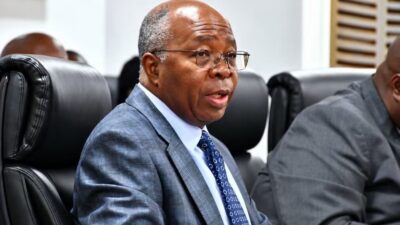
In response, Foreign Affairs and International Cooperation Minister, Mulambo Haimbe, welcomed the findings and recommendations of the EU Election Observation Mission, saying they offered an opportunity to strengthen electoral administration, institutional capacity, transparency and public confidence.
Haimbe emphasised the importance of continued engagement between the Government and the Mission, including an opportunity for authorities to formally consider and provide observations on the findings and recommendations before the final report’s public release.
“We believe that such engagement would contribute to a balanced appreciation of the electoral environment, promote constructive dialogue, and ensure that due consideration is given to relevant perspectives and clarifications from the Government,” he said.
He said Zambia remained committed to engaging with the EU in good faith on the recommendations, in accordance with the country’s legal framework and constitutional provisions, as well as applicable regional and international obligations.
Haimbe said the partnership should also address wider regional challenges, noting that sustainable development depended on peace, stability and security.
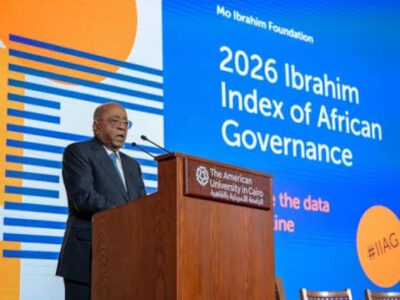
Read More: Zambia among Africa’s 10 most improved countries in governance, report says
He further reaffirmed Zambia’s commitment to multilateralism as a framework for addressing shared global challenges amid heightened geopolitical tensions.
The minister also highlighted the Government’s Grow Zambia Agenda, which prioritises mining, agriculture, energy, tourism, manufacturing and infrastructure development.
He said the country’s ambitions included increasing annual copper production to three million metric tonnes by 2031, improving agricultural productivity and food security, and expanding electricity generation, particularly from renewable energy sources.
Both parties agreed on follow-up measures to advance the observation mission’s recommendations ahead of the 2031 elections.
The measures will included recommendations requiring legislative and administrative changes, with the EU committing to provide technical support and partner with Zambia in their implementation.
WARNING! All rights reserved. This material, and other digital content on this website, may not be reproduced, published, broadcast, rewritten or redistributed in whole or in part without prior express permission from ZAMBIA MONITOR.







Comments