
 By
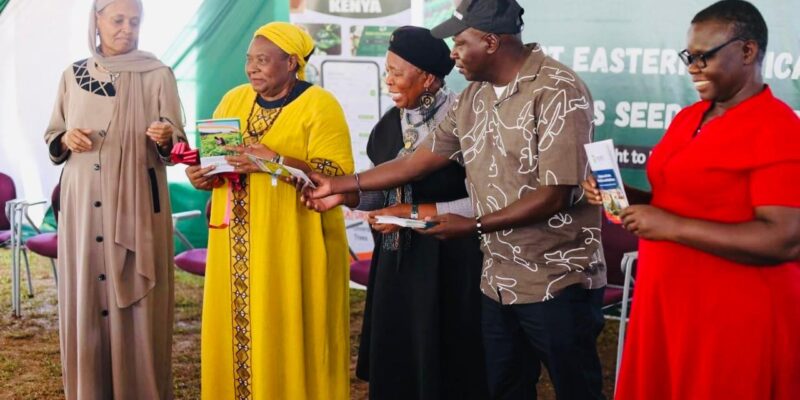
African governments and development partners should strengthen women’s land rights, protect indigenous seeds and invest in agroecological farming to improve food security and build resilience to climate change, the African Women’s Collaborative for Healthy Food Systems has said.
The call followed the launch of a new farmer-led research publication examining the contribution of indigenous foods and women’s farming practices to nutrition, food security and climate resilience across five African countries.
The publication, Indigenous Seeds, Nutrition and Resilience: Findings and Recommendations from Farmer-Led Research, was launched on Thursday during the First Eastern Africa Indigenous Seed Conference in Nairobi.
Drawing on two complementary studies conducted in Burkina Faso, Senegal, Uganda, Zambia and Zimbabwe, the research highlights the role of women in producing, preserving and marketing indigenous foods, while documenting barriers they face in accessing land, finance, productive resources and markets.
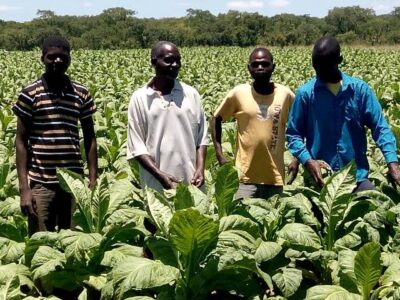
In Zambia, participating women farmers reported an average yield increase of approximately 50 percent, enabling them to secure sufficient food for their households throughout the year.
In Uganda, harvests sustained households for up to one year, while families in Senegal maintained food stocks for between six and eight months.
The research also found that indigenous crops offer significant nutritional benefits. Laboratory assessments of ten local food crops confirmed their rich content of carbohydrates, protein, fibre, vitamins and minerals.
The crops assessed included millet, paddy rice, sweet potato, Bambara groundnut, cowpea, amaranth, pumpkin, banana, okra and mango.
Millet samples from Burkina Faso showed exceptionally high iron content, while Bambara groundnut samples from Zambia demonstrated high protein and mineral density.
Collaborative Founder and Director Elizabeth Mpofu said the findings demonstrated the importance of indigenous African foods and the knowledge held by women who had sustained these food systems for generations.
“These studies affirm the importance of indigenous African foods and the knowledge held by women who have sustained these food systems for generations,” Mpofu said.
“We must recognise their contribution, protect indigenous seeds and invest in agroecological practices and research that demonstrate the nutritional value of our foods. Strengthening these food systems is essential to building healthier, more resilient communities across Africa.”
The studies also documented how intercropping, crop diversification, indigenous seed preservation and water conservation help farmers withstand climate-related shocks.
The publication recommends strengthening women’s land rights, improving access to finance and productive resources, and investing in women-led agroecology, indigenous seed systems and climate-resilient farming.
It further calls for increased investment in nutritional research, food processing, preservation, storage and value addition.
Dr Batsirai Chipurura, a senior lecturer at the University of Zimbabwe, said addressing food and nutrition insecurity required a combination of strategies built around the strengths of different crops and varieties rather than relying on a single crop.
“Taken together, the findings indicate that the greatest opportunity lies not in promoting any single crop as a solution to food and nutrition insecurity, but in developing complementary food-system strategies based on the strengths of different crops and varieties,” Chipurura said.
He said climate-resilient and indigenous food crops had considerable potential to support dietary diversity, food and nutrition security, sustainable agriculture and rural livelihoods across sub-Saharan Africa.
WARNING! All rights reserved. This material, and other digital content on this website, may not be reproduced, published, broadcast, rewritten or redistributed in whole or in part without prior express permission from ZAMBIA MONITOR.










Comments