
 By
By 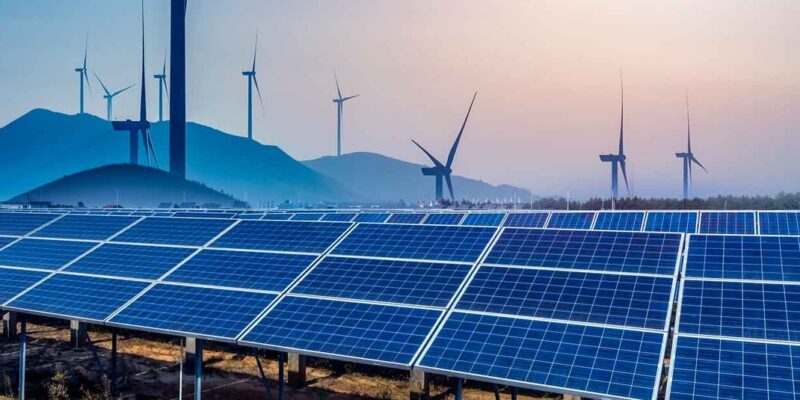
Africa’s renewable energy ambitions are being held back by a shortage of technical and institutional capacity needed to turn projects from plans into bankable investments, the African Energy Commission (AFREC) said on Tuesday.
AFREC Head of Policy Planning and Strategy, Yagouba Traore, said African countries, including Zambia, continued to face gaps between renewable energy potential, project planning and actual implementation.
“Africa does not lack energy resources. We have some of the world’s greatest solar resources, enormous hydropower potential, wind, geothermal, bioenergy and other energy resources distributed across our continent,” Traore said.
He said the availability of renewable resources alone was not enough to make projects attractive to investors, which required sound resource assessments, effective planning and regulation, functioning electricity grids, appropriate procurement frameworks and sound financial structures.
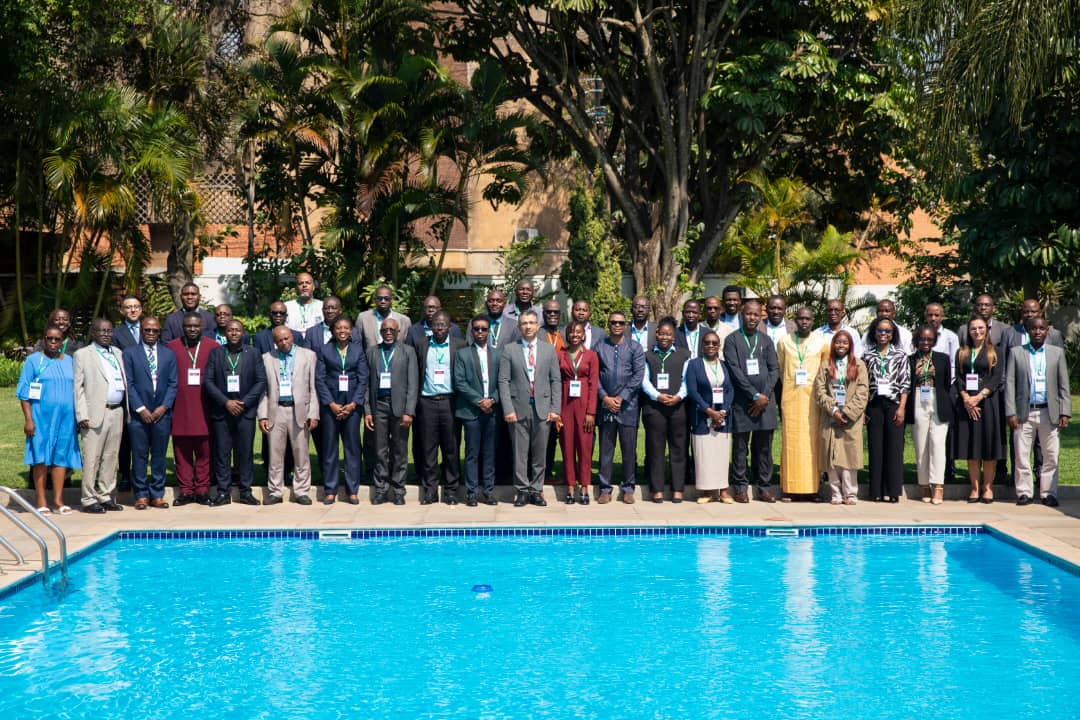
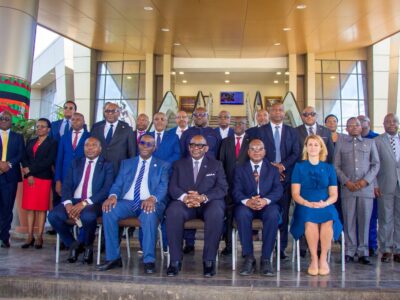
Traore was speaking in Lusaka during a continental training programme on renewable energy project planning, development and financing.
He said AFREC had established its Comprehensive Capacity Building Programme to address the skills deficit and develop a continental pool of African energy experts.
“The objective is not to organise isolated training events but to build a continental ecosystem of African energy expertise,” Traore said.
He said more than 200 African energy experts would have benefited from the programme following the latest cohort in Lusaka.
“Capacity building is most valuable when it is African-led, practical and connected to implementation,” Traore said.
Read More: Zambia targets stronger power, fuel supply systems
Ministry of Energy Permanent Secretary, Arnold Simwaba, said Zambia’s installed electricity generation capacity had increased from 3,777 megawatts in 2024 to about 4,576 MW, while solar capacity had risen to about 841 MW.
He added that the increase reflected policy reforms and efforts to create an environment capable of attracting investment into renewable energy.
“This demonstrates that Zambia is moving beyond simply talking about its renewable energy potential, we are turning that potential into real projects, real investments, and real electricity,” he said.
He said African countries needed to strengthen their capacity to develop renewable energy projects that could withstand technical and financial scrutiny.
“Every renewable energy project begins with a vision, but vision alone is not enough,” Simwaba said.
The five-day training covers the renewable energy project lifecycle, including resource assessment, site selection, grid integration, procurement, financing, policy, regulation and project management.
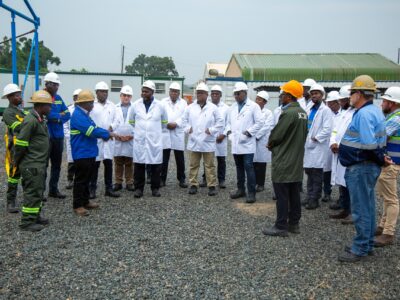
The programme will conclude with practical exposure at the Kafue Gorge Regional Training Centre, including visits to Kafue Gorge Power Station, the 10 MW Namalundu Solar Power Plant and the KGRTC wind site.
WARNING! All rights reserved. This material, and other digital content on this website, may not be reproduced, published, broadcast, rewritten or redistributed in whole or in part without prior express permission from ZAMBIA MONITOR.




Comments