
 By
By 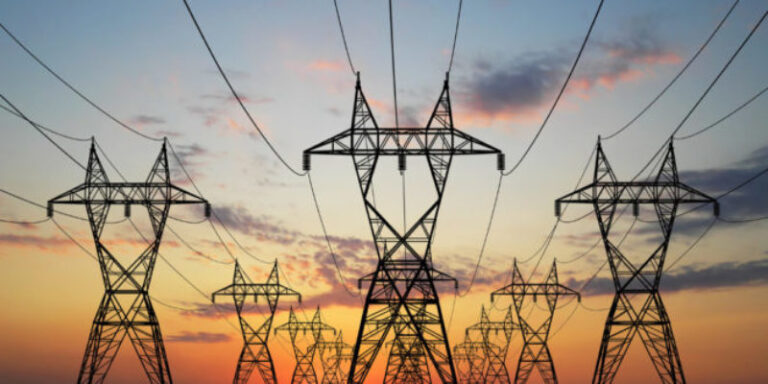
Zambia is set to participate in a regional initiative aimed at modernising electricity transmission and distribution networks, while also moving to restore competitive bidding for fuel supplies through the TAZAMA pipeline.
According to Access Bank Group market commentary, the United States Trade and Development Agency (USTDA) will host a delegation of about 15 government and private-sector representatives from Zambia, Angola, Botswana and Mozambique between late August and early September.
The delegation will travel to Denver and Austin to engage United States companies, utilities and regulators on technologies that could help strengthen and secure Southern Africa’s electricity networks.
Read more: Zambia’s energy regulatory board sanctions nine licensees over reported breaches
“Discussions are expected to cover advanced grid systems and artificial intelligence-enabled controls, while a business briefing scheduled for September 1 will connect delegates with potential US suppliers,” it said.
The initiative comes amid growing demand for reliable electricity infrastructure across the region, driven by population growth, urbanisation and industrial activity.
Rising electricity consumption from critical-minerals mining is also increasing the need for stronger transmission and distribution systems.
Meanwhile, Zambia is preparing to reopen the supply of fuel through TAZAMA to competitive bidding ahead of the expiry of Vitol Group’s exclusive supply agreement next month.
The state-owned pipeline operator has invited oil-marketing companies to pre-qualify for 12-month supply contracts beginning in October.
Successful bidders will then be able to compete for monthly fuel supply lots.
The move follows an International Monetary Fund (IMF) recommendation in May for Zambia to restore open access to the pipeline.
The IMF previously noted that competitive bidding had helped reduce the fuel-import premium by about 50 percent.
Access Bank said increased competition could lower fuel-import costs and improve efficiency in the supply chain.
It could also reduce pressure on Zambia’s foreign exchange reserves and potentially contribute to lower fuel prices for consumers.
The developments come as Zambia seeks to strengthen energy security while reducing the costs associated with electricity infrastructure and fuel imports.
WARNING! All rights reserved. This material, and other digital content on this website, may not be reproduced, published, broadcast, rewritten or redistributed in whole or in part without prior express permission from ZAMBIA MONITOR.






Comments