
 By
By 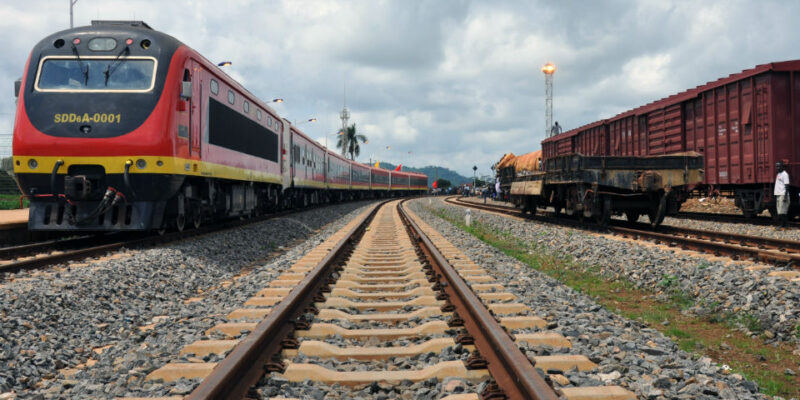
The Lobito Corridor is poised to transform trade across Central and Southern Africa, offering Zambia and the Democratic Republic of the Congo (DRC) a strategic gateway to stronger regional supply chains and international markets, according to a new report by the African Export-Import Bank (Afreximbank).
The report said the multi-billion-dollar transport and logistics project has the potential to become a key pillar of regional economic integration by lowering trade barriers and improving connectivity between African economies and global markets.
The Lobito Corridor is a Western-backed infrastructure programme valued at between US$6 billion and US$10 billion. It combines rail, road, port, energy and logistics investments linking the copper and cobalt-rich regions of the DRC and Zambia to Angola’s Atlantic port of Lobito.
Afreximbank said the corridor’s significance has become increasingly evident as demand for efficient transport infrastructure grows alongside expanding regional trade.
Read more: Group calls for establishment of Lobito Corridor agency
“The DRC’s growing demand for manufactured goods presents significant opportunities for regional producers. Imports into the DRC were dominated by machinery, transport equipment and pharmaceuticals, with African suppliers accounting for an increasing share of the market,” the report said.
It noted that the trend presented an opportunity to strengthen regional manufacturing value chains and accelerate intra-African trade.
The report identified copper and cobalt as the main drivers of trade in Central Africa, with the DRC remaining one of the continent’s largest contributors to regional commerce.
It said exports of refined copper and cobalt intermediates to regional markets, particularly South Africa, remained resilient in 2025, supported by robust global demand for minerals critical to manufacturing and the global energy transition.
“Efficient transport infrastructure will remain essential to sustaining this trade. Existing rail connections to South Africa, together with port access through Durban, Dar es Salaam and Mombasa, continued to facilitate mineral exports and regional commerce,” the report stated.
However, Afreximbank warned that inadequate infrastructure continued to constrain the region’s trade potential.
Citing data from the United Nations Conference on Trade and Development (UNCTAD), the report said Central Africa continues to face some of the world’s highest transport and logistics costs, undermining the competitiveness of African exports and slowing regional economic integration.
It said sustained investment in strategic transport corridors such as the Lobito Corridor will be critical to reducing trade costs, improving market access and unlocking greater economic growth across the region.
WARNING! All rights reserved. This material, and other digital content on this website, may not be reproduced, published, broadcast, rewritten or redistributed in whole or in part without prior express permission from ZAMBIA MONITOR.











Comments