
 By
By 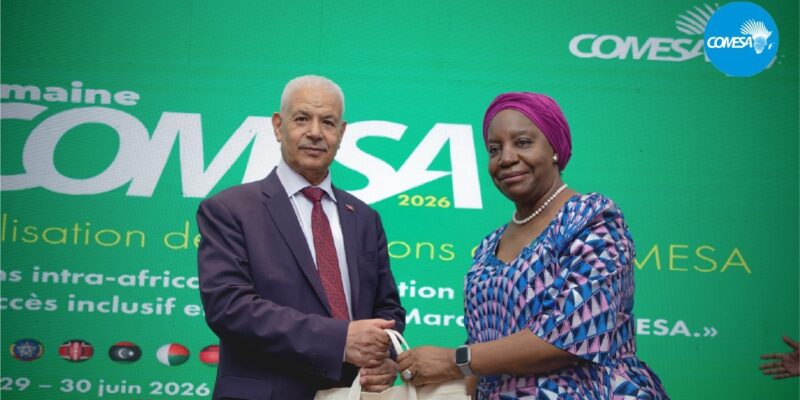
Africa’s digital transformation must leave no one behind if it is to drive economic growth, expand trade and accelerate regional integration, COMESA Secretary-General, Chileshe Mpundu Kapwepwe, has said.
Kapwepwe said digital technologies had become a powerful tool for bridging development gaps, enhancing regional competitiveness and creating a more inclusive and sustainable economy across the continent.
Speaking at the opening of the COMESA Institutions Awareness Forum in Tunisia according to a statement issued on Tuesday, she urged member states to ensure that small and medium-sized enterprises (SMEs), women and young people fully participated in the digital economy.
The forum was held under the theme, “Expanding Intra-African Horizons: Digital Innovation as a Driver for Inclusive and Sustainable Access to COMESA Markets.”
Read more: Techbytes: Africa launches biotech database to ease access to biosafety data, boost crop trade
“Digital transformation must work for everyone—not only large corporations, but also the small and medium-sized enterprises, women and young people who remain at the heart of COMESA’s regional integration agenda,” Kapwepwe said.
She added that the forum formed part of COMESA’s broader strategy to bring the regional bloc closer to its citizens by raising awareness of the opportunities created through regional integration and promoting stronger collaboration among member states.
Kapwepwe commended Tunisia for its economic transformation, saying its strategic location at the crossroads of Africa and Europe, vibrant private sector and commitment to innovation and digital development made it an ideal host for this year’s forum.
She said harnessing digital innovation would enable African countries to strengthen intra-regional trade, improve access to markets and build resilient economies capable of competing in an increasingly digital global marketplace.
Meanwhile, Tunisia’s Trade and Export Development Minister, Samir Abid, said digital innovation was becoming the backbone of Africa’s trade agenda by supporting tariff liberalisation, eliminating long-standing trade barriers and modernising trade systems.
Abid said investment in digital infrastructure and the deployment of smart technologies across customs, logistics and electronic payment systems would reduce the cost of doing business and improve the competitiveness of African enterprises.
“The future of African trade depends on our ability to modernise trade procedures, strengthen digital infrastructure and deploy smart solutions across logistics, customs and electronic payment systems.
“These innovations are essential to reducing costs, accelerating transactions and making our enterprises, particularly small and medium-sized businesses, more competitive,” Abid said.
WARNING! All rights reserved. This material, and other digital content on this website, may not be reproduced, published, broadcast, rewritten or redistributed in whole or in part without prior express permission from ZAMBIA MONITOR.











Comments