
 By
By 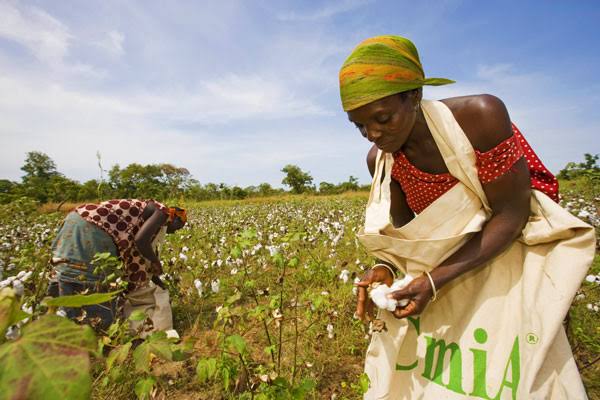
Zambia’s cotton industry, once a major employer in rural areas and a key foreign exchange earner, is in a steady decline despite its potential to drive value addition, job creation and carbon sequestration due to low prices on the market.
Industry data show production has dropped sharply in recent years, with fewer farmers growing the crop and several cotton companies scaling back input loan programmes, according to the Cotton Board of Zambia (CBZ).
In an interview with Zambia Monitor, CBZ acting Executive Director Derrick Sichilima said the downturn came at a time when government was pushing to re-open local textile mills to boost domestic processing.
Sichilima said the sector remained one of the most versatile agricultural commodities, with value chain opportunities stretching from seed to fabric, cooking oil, animal feed and even carbon credits.
Read More: FRA claims maize purchase target exceeds 100 percent in Northern Province
He noted that cotton offered opportunities far beyond the lint that most Zambians associate with the crop.
Despite the potential, Sichilima acknowledged that production had been falling due to a combination of low prices, lack of transparency and shifting farmer preferences to more profitable crops.
He said Zambia’s small share of global production meant it had little influence on world prices, leaving local farmers exposed to external shocks.
Sichilima said a new law would introduce a price consultative forum that would bring farmers, companies and regulators together to agree on pricing transparently.
WARNING! All rights reserved. This material, and other digital content on this website, may not be reproduced, published, broadcast, rewritten or redistributed in whole or in part without prior express permission from ZAMBIA MONITOR.











Comments