
 By
By 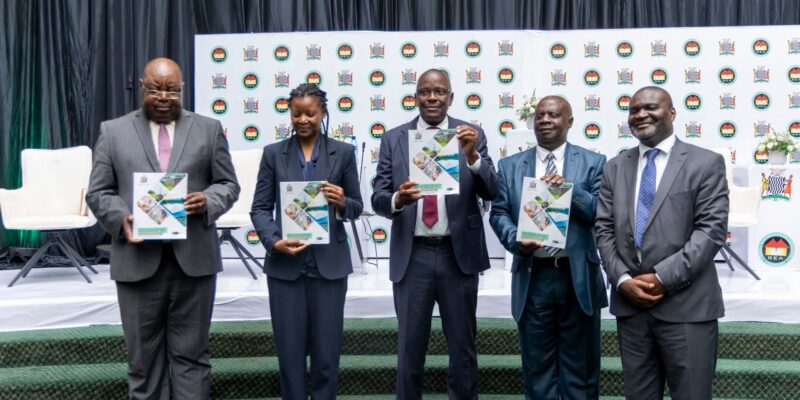
Government has launched the updated Rural Electrification Master Plan (REMP) for the period 2025 to 2030, revealing that Zambia will require about US$1.52 billion over the same period to attain universal access to electricity.
Energy Minister, Makozo Chikote, said the updated plan was central to government’s commitment to ensuring that all Zambians had access to affordable, reliable, and modern energy by 2030.
He emphasised that meeting this goal would require strong partnerships across sectors.
Speaking during the launch in Lusaka on Tuesday, Chikote said expanding electricity access was not merely a matter of infrastructure development but a key driver of economic growth, improved quality of life, and the country’s transition towards a prosperous middle-income economy under Vision 2030.
He explained that the REMP, which has guided rural electrification since 2008, had provided a structured framework for expanding access in rural Zambia, but demographic and administrative shifts had necessitated an update.
“Since 2008, we have seen changes in administrative boundaries, population movements, and increased economic activity in rural areas—all of which have raised the demand for electricity,” he said.
Chikote added that global commitments had also evolved, citing Sustainable Development Goal (SDG) 7, which calls for universal access to modern energy.
He said the Government was fully aligned with that ambition.
He said the updated REMP responded to these realities, shifting the country from its previous target of 51 percent rural access to a firm commitment to achieving universal access by 2030.
“The plan is grounded in data and least-cost geospatial planning, enabling us to deploy grid extensions, mini-grids, and stand-alone systems in ways that are technically and economically optimal,” he said. “This ensures that every resource committed delivers maximum impact.”
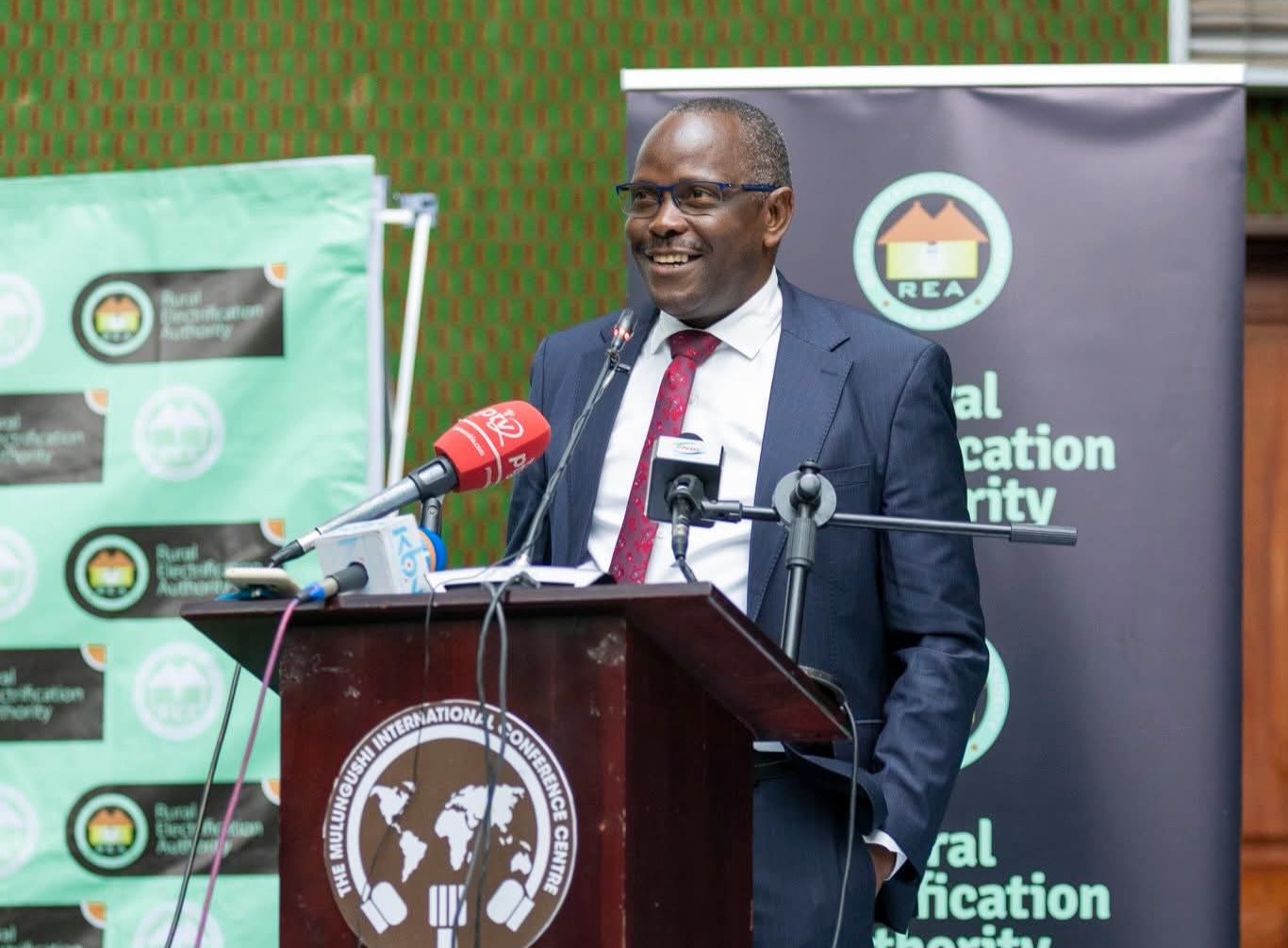
Chikote stressed that the government’s policy direction was clear—the private sector will play a critical role in driving investment and implementation.
Read More: Zambia breaks ground on $1.1 billion Ndola oil refinery
Government, he said, would focus on policy clarity, strengthened regulation, and the creation of a predictable and transparent investment environment. He described the updated REMP not only as a planning tool but also as an “investment roadmap” with structured and bankable opportunities.
He urged cooperating partners, private investors, and developers to closely coordinate with the Ministry of Energy and the Rural Electrification Authority (REA), and to align their investment plans to ensure efficient and inclusive electricity roll-out.
“My desire is to see electrification undertaken in a systematic and coordinated manner to maximise impact, avoid duplication, and ensure sustainability,” he said.
Chikote highlighted that the updated plan was expected to have wide-ranging benefits, including increased access to electricity for households, schools, and health facilities.
He said it would support agriculture, small businesses, job creation, and improved service delivery in rural communities.
He added that these outcomes would enhance the quality of life for citizens and help drive inclusive socio-economic transformation across rural Zambia.
WARNING! All rights reserved. This material, and other digital content on this website, may not be reproduced, published, broadcast, rewritten or redistributed in whole or in part without prior express permission from ZAMBIA MONITOR.







Comments