
 By
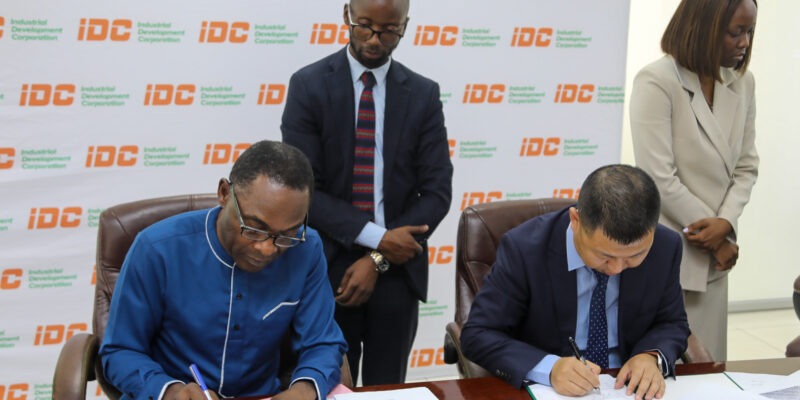
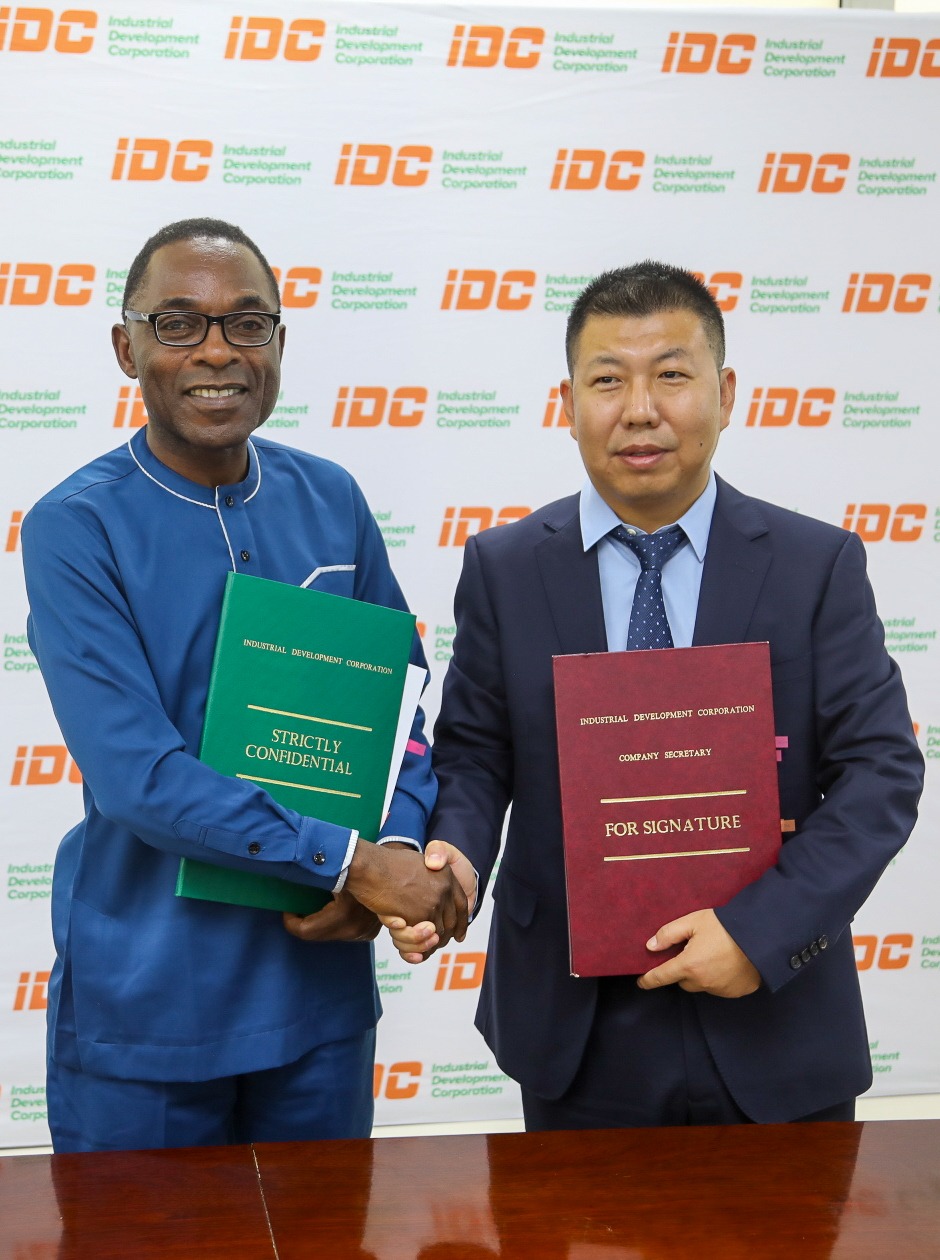
The Industrial Development Corporation (IDC) and Jijia (Beijing) International Medical Technology have signed a joint venture agreement to develop ZAMVAX Limited, an oral cholera vaccine fill-and-finish facility.
The facility will be constructed within the Lusaka South Multi-Facility Economic Zone, marking an important milestone in Zambia’s efforts to strengthen health security through domestic vaccine manufacturing, IDC officials said.
The first phase of the project has an estimated investment requirement of US$24.13 million and will establish an oral cholera vaccine fill-and-finish facility within the economic zone.
The plant is designed to have a production capacity of up to 20 million doses annually, with IDC holding a 60 per cent stake in the joint venture and Jijia owning the remaining 40 per cent.
The agreement builds on an earlier agreement entered into by the parties in 2024 and provides a framework for shareholder responsibilities, governance, funding obligations and project implementation.
Speaking during the signing ceremony in Lusaka, IDC Chief Executive Officer, Cornwell Muleya, said the project was intended to strengthen Zambia’s ability to meet its vaccine needs while developing long-term manufacturing capacity.
“Our ambition is to make Zambia fully self-sufficient in meeting its cholera vaccine needs, while building the capability to supply a broader range of vaccines for our children and our region,” Muleya said.
Read More: IDC calls for strategic expansion, diversification of Zambia’s mining sector
He said Phase One would involve local filling, finishing, packaging and quality control using imported bulk vaccine antigen, while a subsequent phase was expected to introduce local antigen production and full-scale cholera vaccine manufacturing, paving the way for greater national self-reliance.
Muleya said the project also envisaged expansion into paediatric and animal vaccines, with the additional activities intended to improve vaccine availability, subject to product-specific feasibility assessments, financing and the necessary approvals.
“ZAMVAX is expected to create skilled employment and opportunities for local suppliers and service providers. Technology transfer and workforce development will form a central part of the partnership, with Jijia providing technical support and training to develop Zambian manufacturing and operational expertise,” he said.
“For IDC, success will mean more than a completed factory. It will mean Zambian professionals with the skills to operate it, vaccines that meet the required standards, and a business capable of sustaining reliable supply,” Muleya said.
He said the initiative supported the Grow Zambia Agenda by promoting local production, specialised skills and greater domestic value addition.
Muleya said the project’s long-term ambition was to serve Zambia’s needs while contributing to regional vaccine supply, subject to relevant regulatory and market-access requirements.
Jijia General Manager, Su Yong Lin, said the partnership was more than an investment, adding that it was aimed at supporting Zambia’s healthcare sector, creating opportunities and improving health security across Africa.
“ZAMVAX, ‘From Zambia, For Africa and Beyond’,” Su said.
Following the signing, the partners will focus on mobilising financing, site readiness, technical agreements, workforce development and regulatory approvals, with groundbreaking scheduled for the coming weeks.
WARNING! All rights reserved. This material, and other digital content on this website, may not be reproduced, published, broadcast, rewritten or redistributed in whole or in part without prior express permission from ZAMBIA MONITOR.










Comments