
 By
By 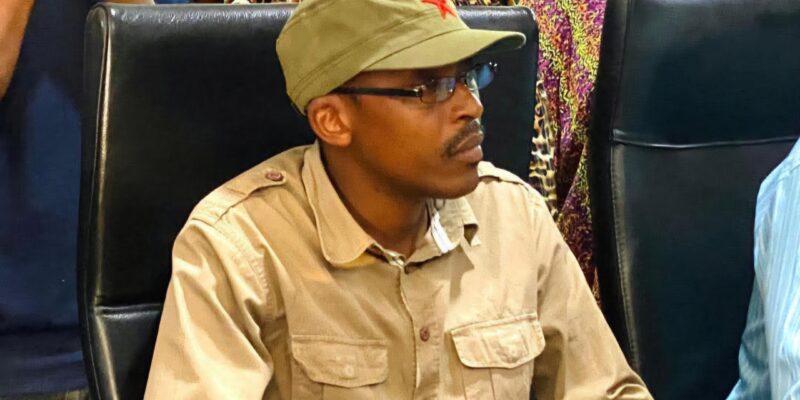
The Socialist Party (SP) has raised the alarm over alleged vote-buying in the ongoing Mfuwe parliamentary by-election, accusing the ruling United Party for National Development (UPND) of engaging in unethical electoral practices aimed at securing victory.
In a statement issued in Lusaka on Thursday, Brian Hapunda, Chief Advisor to the President of the Socialist Party, said the party was not surprised by reports of cash handouts to village headmen and at polling stations.
Hapunda specifically accused UPND National Youth Chairperson, Gilbert Liswaniso, and President Hakainde Hichilema’s Political Advisor, Levy Ngoma, of disbursing K1,500 and K5,000 respectively to influence voters.
He alleged that vote-buying had become a recurring trend in by-elections since the UPND assumed power in 2021, describing the ruling party as “struggling” and reliant on underhanded tactics to retain political control.
“The ruling party is using vote-buying, state resources, cabinet ministers, Permanent Secretaries, and District Commissioners in a coordinated effort to manufacture an artificial parliamentary majority to pave the way for constitutional amendments,” Hapunda claimed.
He said the UPND’s popularity had significantly declined due to unfulfilled campaign promises and that the party was now resorting to desperate efforts to project grassroots support that, according to him, no longer exists.
“We urge citizens to accept any money or food items distributed by UPND officials, but to reject voting for them. A vote is too sacred to be cheapened,” Hapunda said.
He dismissed the UPND’s recent by-election victories as “borrowed,” claiming they do not reflect genuine popular support.
Hapunda further predicted that the 2026 general elections would be the true measure of the party’s political strength.
Meanwhile, Hapunda criticized the UPND government’s allocation of public resources, urging it to focus on essential services, particularly in the health sector.
He accused the government of neglecting public health facilities, alleging citizens were “dying in large numbers daily” due to widespread medicine shortages.
WARNING! All rights reserved. This material, and other digital content on this website, may not be reproduced, published, broadcast, rewritten or redistributed in whole or in part without prior express permission from ZAMBIA MONITOR.









Comments