
 By
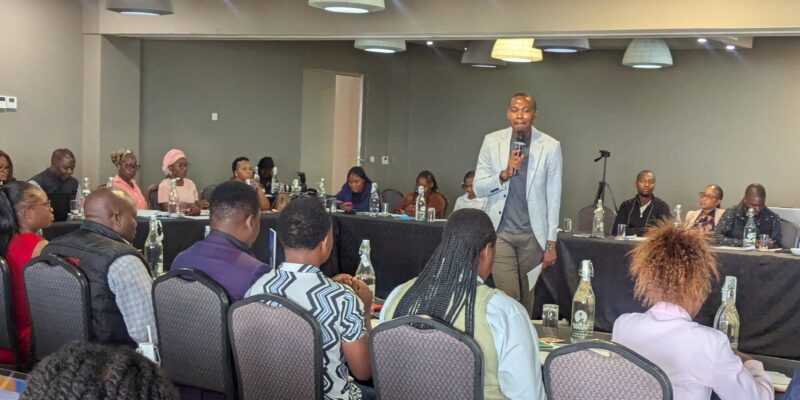
The Zambia Revenue Authority (ZRA) has urged journalists to strengthen the accuracy and depth of tax and business reporting, saying informed media coverage is critical to improving public understanding of taxation and supporting national development.
ZRA Commissioner-General, Dingani Banda, said the media remained one of the authority’s most important partners in taxpayer education.
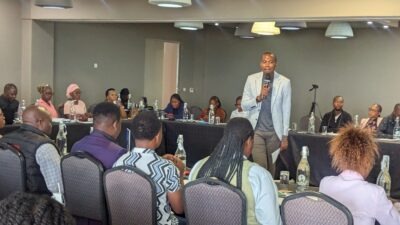
He was speaking through Laban Simbeye, Acting Director-Executive Support, at the opening of the ZRA Media Training Workshop on Taxation and Business Reporting for journalists in Lusaka Province, held in Chongwe on Monday.
Banda said journalists played a vital role in promoting transparency, strengthening accountability and helping citizens understand tax policies and their impact.
Read more: Zambia Revenue Authority system glitches persist despite restoration claims
He said the workshop was aimed at equipping journalists with the skills needed to report accurately, objectively and clearly on taxation and business issues.
Banda said the Authority had been assigned a revenue collection target of K185 billion for 2026, adding that achieving the target required cooperation among government, taxpayers, businesses and the media.
“The media has an important role in explaining tax obligations, examining tax policy and helping the public understand how revenue contributes to national development,” he said.
He urged journalists to prepare for increased public interest following the presentation of the national budget scheduled for Friday, saying accurate and accessible reporting would help taxpayers understand new measures and clear up misconceptions.
Banda said domestic revenue remained essential for financing education, healthcare, roads and other public services, adding that citizens needed to understand both their obligation to pay taxes and the importance of accountability in the use of public resources.
He also called on journalists to support the Government’s Grow Zambia agenda by reporting on how tax administration, investment and business reforms affected households and enterprises.
Banda stressed that one of ZRA’s guiding principles was fairness in tax administration.
“We collect only the tax that is applicable, no more and no less,” he said, urging journalists to help educate the public about the authority’s mandate to administer taxes fairly on behalf of the Government.
He encouraged reporters to investigate claims that taxes were a barrier to business by examining underlying issues, such as poor record-keeping and compliance challenges, rather than making broad assumptions.
Banda further urged journalists to distinguish between the roles of the Ministry of Finance and National Planning, which formulates tax policy, and ZRA, which administers tax laws.
He said the distinction would become increasingly important as the country implements the Medium-Term Revenue Strategy for 2027–2031, which seeks to broaden the tax base, improve fairness and efficiency, and reduce reliance on borrowing.
Banda also challenged journalists to verify figures before publication and clearly distinguish between concepts such as turnover and profit, as well as tax assessments and actual tax payments.
He warned that inaccurate reporting could mislead the public and undermine confidence in public institutions.
WARNING! All rights reserved. This material, and other digital content on this website, may not be reproduced, published, broadcast, rewritten or redistributed in whole or in part without prior express permission from ZAMBIA MONITOR.





Comments