
 By
By 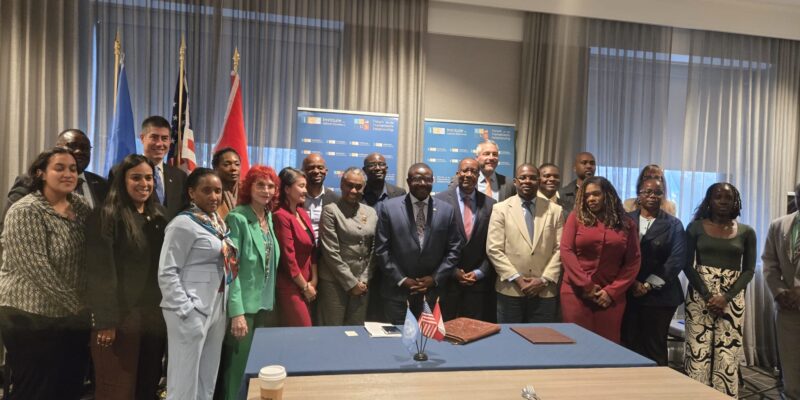
Zambia is shifting its six-decade relationship with the United States from traditional aid and dependency towards a commercially driven investment partnership, Zambia’s Ambassador to the US Chibamba Kanyama has said.
Kanyama said the approach was anchored in mutual respect, transparency and recognition of each country’s cultural and sovereign interests.
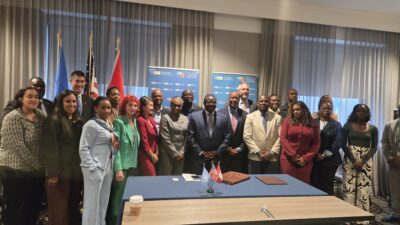
Speaking at the Institute for Cultural Diplomacy Forum on the Transatlantic Relationship in Washington DC, Kanyama said effective diplomacy required countries to listen to one another and negotiate around shared interests rather than approach engagements as zero-sum contests.
He cited the revised $1.5 billion health agreement between Zambia and the United States as an example of cultural diplomacy resulting in a partnership that addressed concerns raised by Zambians.
“The Government of Zambia through the Minister of Health has successfully announced the $1.5 billion revised agreement between Zambia and the US Government, showing true cultural diplomacy in action,” Kanyama said.
He said citizens had raised concerns over the duration of the agreement, data protection, intellectual property and conditions relating to the sharing of biological specimens.
“In a true partnership, we cannot simply brush aside these public anxieties. They represent our cultural values, our sovereignty, and our right to protect our people’s data and resources,” he said.
Read More: Zambia, US finalise $3.6 billion health deal after public outcry over contentious clauses
Kanyama said negotiations had resulted in the complete removal of the requirement to share biological specimens, while data sharing was restricted to programme monitoring and evaluation.
He said the outcome demonstrated that Zambia could safeguard national assets and citizens’ privacy while maintaining a strategic healthcare partnership with the United States.
Kanyama said the country’s evolving relationship with the US was also reflected in investment initiatives such as the US-backed Lobito Corridor and KoBold Metals’ Mingomba mining project.
“KoBold Metals Africa is led by a Zambian CEO, Mfikeyi Makayi. This shows that American capital can successfully build local value chains, transfer technology, and respect local human resources,” Kanyama said.
He said Zambia was seeking an investment-led relationship with the US based on mutual transparency and respect for national sovereignty.
“Zambia welcomes an investment-led future built on mutual transparency and sovereign respect. When our nations listen to each other’s domestic contexts, we forge far stronger and more resilient global bonds,” he said.
WARNING! All rights reserved. This material, and other digital content on this website, may not be reproduced, published, broadcast, rewritten or redistributed in whole or in part without prior express permission from ZAMBIA MONITOR.





Comments