
 By
By 
Interim Country Director for FIKA Zambia, Praise Phiri, has called for a fundamental shift in how Zambia approached rural access, stressing that the country must adopt long-term, sustainable systems that guarantee safe, reliable connectivity for all communities.
Speaking during the launch of Fika Zambia at the Quorum Hotel in Lusaka on Wednesday, Phiri said the event marked a transformative moment in efforts to improve rural mobility, safety, and infrastructure delivery.
He noted that rural access was not simply a development issue but a lifeline that determined how communities survive during floods, droughts, and crises.
“We are here today because we believe in something very simple yet very powerful: safe arrival should not depend on where you live or who you are,” Phiri said.
“Across the world, rural access remains one of the greatest challenges of our time. We have seen this, we know this, and we are determined to change it,” Phiri said.
He explained that Zambia must rethink not only what infrastructure was built, but how it was financed, delivered, and sustained.
“No matter how much development partners do, we can never match the scale of the need. Real change will require stronger institutions, private-sector innovation, and community ownership,” he added.
Phiri said his firm represented a major shift, placing government systems, local institutions, and communities at the centre of infrastructure delivery.
“This is not about development partners doing more. It is about building systems that one day will function without us. Rural access should become a national expectation — not a project, not an exception, but a guarantee,”he said.
Speaking at the same event National Council for Construction (NCC) Executive Director, Paul Makasa highlighted the long-term impact of the council’s partnership with FIKA Zambia, stressing its role in connecting communities, improving rural infrastructure, and developing local skills.
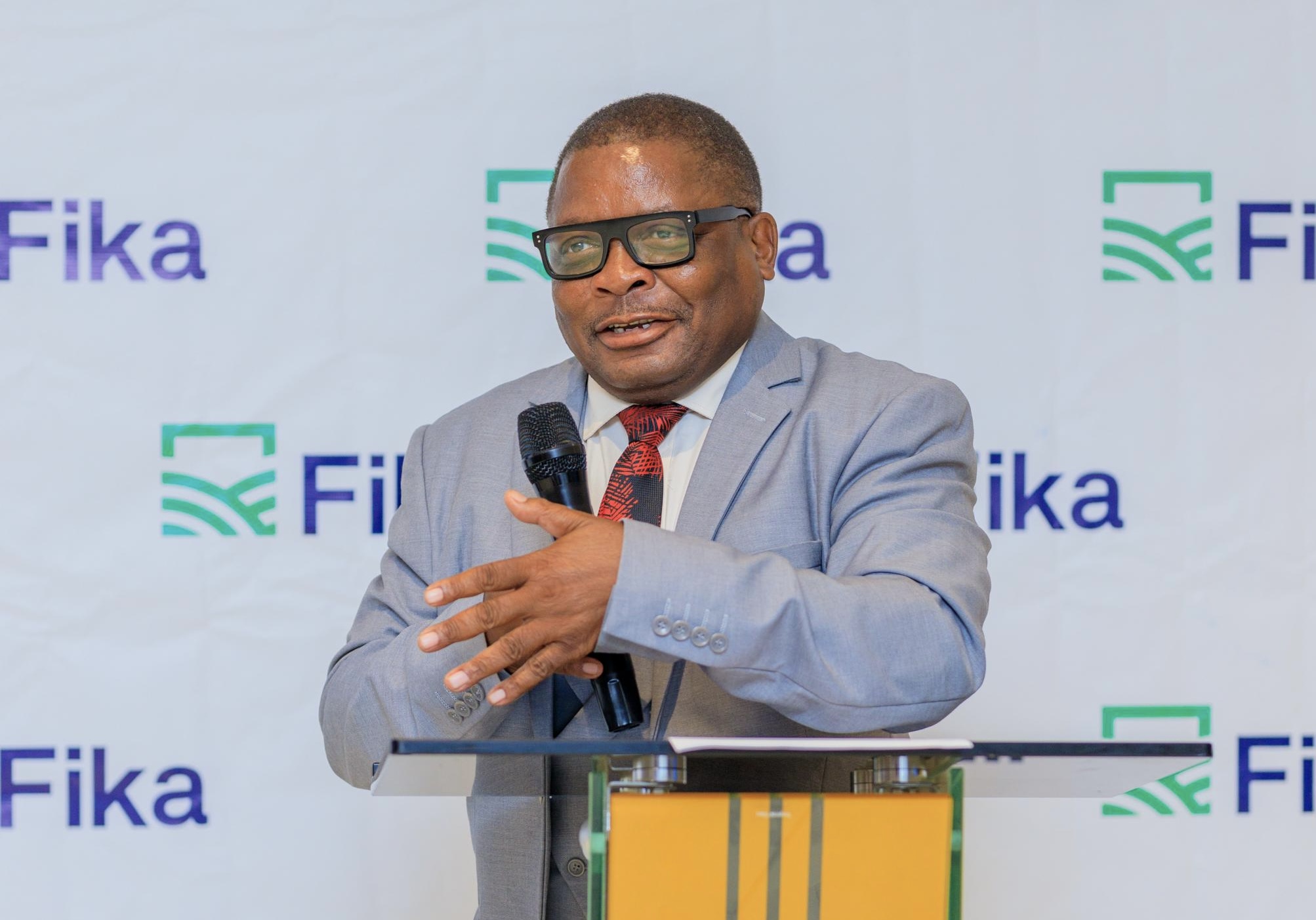
He noted that the partnership had facilitated training-of-trainers initiatives, capacity building for local contractors, and improvements in technical skills and safety standards.
“Over the course of this programme, we have strengthened institutional relationships, enhanced contractor skills, and contributed to infrastructure development that directly benefits communities,” Makasa.
“The partnership we have today is important because it demonstrates how collective efforts can create lasting difference for generations to come,” he said, noting that the council looks forward to many more years of collaboration.
WARNING! All rights reserved. This material, and other digital content on this website, may not be reproduced, published, broadcast, rewritten or redistributed in whole or in part without prior express permission from ZAMBIA MONITOR.











Comments