
 By
By 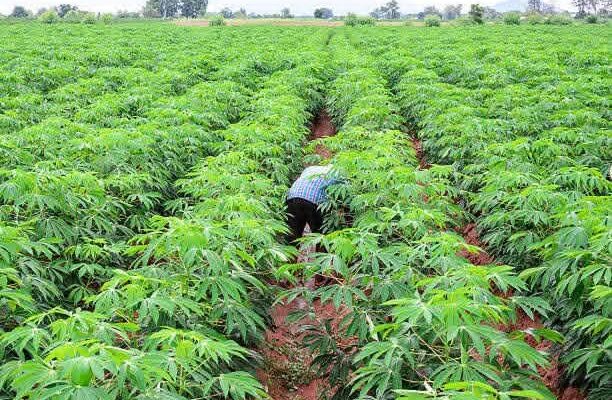
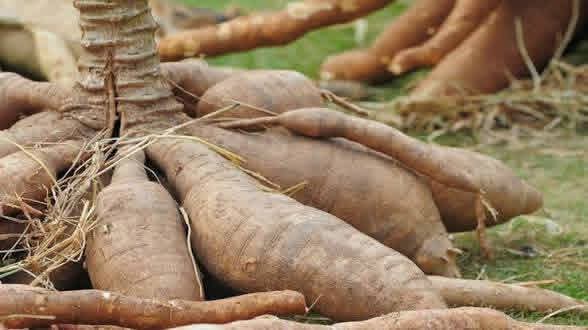
Luapula Province claims it has cemented its position as Zambia’s cassava powerhouse, contributing the largest share of the country’s projected cassava production during the 2025/2026 Agricultural Season, authorities have revealed.
According to the 2025/2026 Crop Forecasting Survey released by Government, Luapula Province was projected to produce approximately 1.23 million metric tonnes of Cassava from over 104,000 hectares planted.
In a statement issued in Mansa on Wednesday, Luapula Province Principal Public Relations Officer, Emmanuel Maseko, stated that the projected output accounted for the largest contribution to national cassava output, according to the survey results.
Maseka said the remarkable performance comes as Zambia records its highest-ever maize harvest in history, with projected production exceeding 5.1 million metric tonnes.
“The Province’s outstanding performance reflects Government’s deliberate interventions aimed at boosting agricultural productivity, enhancing food security and improving the livelihoods of farming communities across the country,” he said.
Read More: Govt launches US$3.5 million programme to drive export diversification
He stated that the Crop Forecasting Survey further indicated that Zambia had secured a national food surplus of over 1.48 million metric tonnes of maize equivalent for the 2026/2027 marketing season.
“Luapula’s continued dominance in cassava production highlights the Province’s strategic role in supporting national food security, promoting crop diversification, creating employment opportunities and stimulating agro-processing and value-addition industries,” Maseko said.
He claimed that the achievement underscored the success of Government’s agricultural transformation agenda under the leadership of President Hakainde Hichilema.
“Government remains committed to supporting farmers through timely access to farming inputs, improved extension services, mechanisation, irrigation development and expanded market opportunities,” Maseko said
He added that the interventions were aimed at increasing agricultural productivity and household incomes as Zambia positions itself as a regional food basket.
WARNING! All rights reserved. This material, and other digital content on this website, may not be reproduced, published, broadcast, rewritten or redistributed in whole or in part without prior express permission from ZAMBIA MONITOR.










Comments