
 By
By 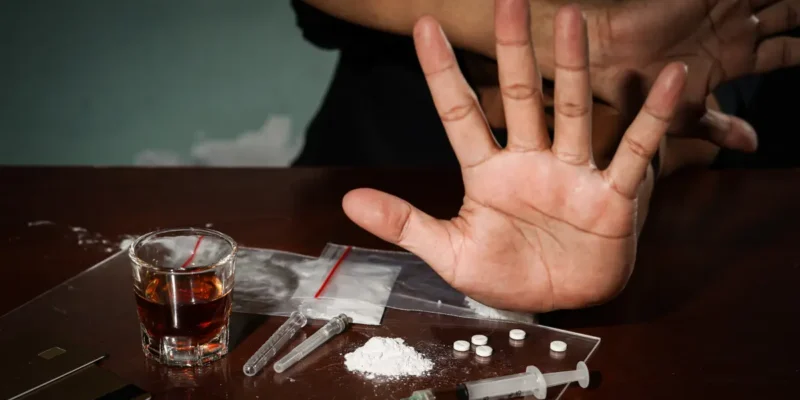
The Medical for Quality Healthcare in Zambia (MQHZ) has expressed concern over rising levels of drug and substance abuse among young people across Zambia.
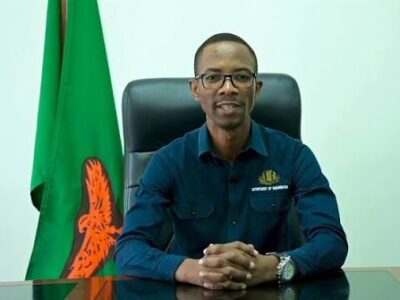
MQHZ Director General, Dr. Quincy Mwabu, said the trend was posing a serious public health and social challenge in many communities.
In a statement issued in Lusaka on Sunday, Mwabu stated that substance abuse was placing additional pressure on health services and affecting the wellbeing of communities across both urban and rural areas.
He said health facilities were increasingly required to respond to cases associated with substance use, including mental health complications, addiction-related conditions, and emergency cases involving intoxication and behavioural disturbances.
“MQHZ is concerned that substance abuse is placing additional pressure on health services and affecting the wellbeing of communities across both urban and rural areas,” Mwabu said.
He noted that the growing demand was stretching already limited health resources and affecting the capacity of frontline health workers to respond effectively to other essential health needs.
Mwabu stated that this growing demand was stretching already limited health resources and affecting the capacity of frontline health workers to respond effectively to other essential health needs.
Read More: First Lady, Mutinta, calls for enhanced health infrastructure in Northern Province
He noted that the misuse of alcohol, cannabis, prescription medicines, and other psychoactive substances was contributing to addiction, mental health problems, school dropouts, and increased crime among young people in communities.
“Illicit drug abuse has also increased demand for mental health services, placed strain on families, and contributed to broader social challenges affecting community wellbeing,” Mwabu stated.
He observed that the challenge was being experienced across different parts of the country and was driven by factors such as unemployment, poverty, peer pressure, and limited access to youth-friendly health and psychosocial support services.
Mwabu called for strengthened collaboration among relevant government institutions, including the Ministry of Health, the Drug Enforcement Commission, the Zambia Medicines Regulatory Authority, the Ministry of Education, as well as local authorities and community structures, to enhance prevention, treatment, and rehabilitation efforts.
He also urged parents, guardians, teachers, community leaders, and young people themselves across communities in Zambia to take an active role in prevention efforts, as sustainable solutions require collective responsibility.
WARNING! All rights reserved. This material, and other digital content on this website, may not be reproduced, published, broadcast, rewritten or redistributed in whole or in part without prior express permission from ZAMBIA MONITOR.






Comments