
 By
By 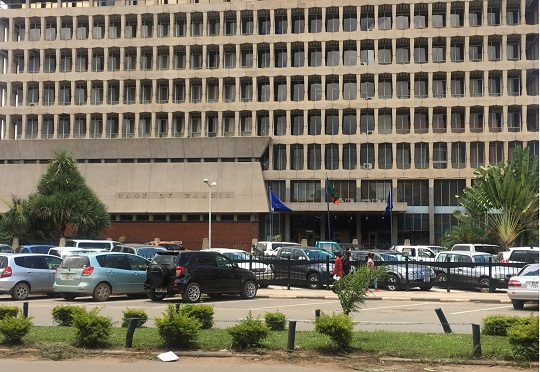
The Bank of Zambia (BoZ) has fully disbursed its K5 billion Stability and Resilience Facility (SRF), marking a key milestone in efforts to bolster domestic production, strengthen energy security and support the economy in the wake of the 2023/24 drought.
According to the latest edition of the Zambanker magazine, the facility reached full utilisation by March 31, 2026, having met its objective of injecting much-needed liquidity into critical sectors of the economy.
The central bank said the SRF, introduced in December 2025, played a significant role in financing energy solutions and productive sectors such as agriculture, forestry, manufacturing and other value chains.
“The SRF played a pivotal role in supporting energy solutions and productive sectors through targeted financing,” BoZ said, adding that the initiative helped stabilise economic activity and enhance resilience in sectors vital to Zambia’s recovery and long-term growth.
The facility was established to safeguard financial stability and cushion the economy from the adverse effects of the severe drought, which disrupted production and heightened economic vulnerabilities.
Meanwhile, BoZ reported that the kwacha continued its recovery, appreciating for a third consecutive quarter and ending 2025 at K22.80 against the United States dollar.
The central bank attributed the currency’s improved performance to increased foreign exchange inflows, stronger investor confidence, sovereign credit rating upgrades, higher copper prices and continued progress under Zambia’s International Monetary Fund Extended Credit Facility programme.
It noted that foreign exchange earnings rose significantly in the fourth quarter of 2025, driven largely by inflows from foreign financial institutions and the mining sector.
Despite the positive momentum, BoZ warned that escalating geopolitical tensions and international trade disputes could threaten the global economic outlook and potentially undermine recent gains.
The central bank cited the conflict involving the United States, Israel and Iran as a potential source of supply chain disruptions and higher commodity prices, cautioning that prolonged instability could fuel inflationary pressures and slow economic growth.
WARNING! All rights reserved. This material, and other digital content on this website, may not be reproduced, published, broadcast, rewritten or redistributed in whole or in part without prior express permission from ZAMBIA MONITOR.








Comments