
 By
By 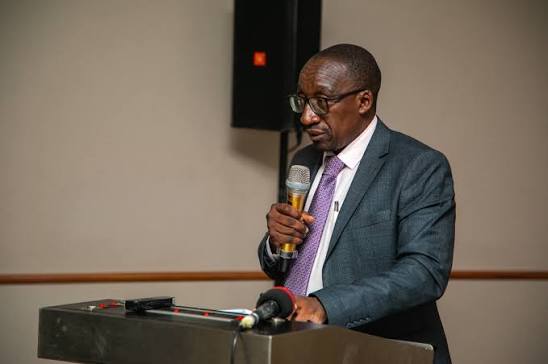
Government has called on stakeholders to identify priority interventions, propose innovative financing mechanisms, and recommend practical strategies that would strengthen service delivery and improve the resilience of water resources.
Ministry of Water and Sanitation Services Permanent Secretary, Romas Kamanga, said government was particularly interested in interventions that would accelerate universal access to water supply, sanitation and hygiene services.
Kamanga said this in Lusaka on Tuesday during the stakeholders consultative meeting on the development of the Ninth National Development Plan (9NDP), 2027-2031 for the country’s water sector.
He said the government wanted solutions which would improve water management, strengthen climate resilience, enhance financial sustainability, reduce non-revenue water, and modernise infrastructure.
Kamanaga added that the solutions should aim to strengthen sector governance, and leverage partnerships with the private sector and development partners, and promote digital transformation.
“Your expertise, your experiences, your evidence, and your recommendations are needed to ensure that the priorities we identify are realistic, inclusive, and responsive to the needs of our citizens,” he said.
Kamanga noted that the 9NDP presented an opportunity to redefine ambitions and position the water sector to respond effectively to emerging challenges such as rapid urbanisation, climate change, population growth, increasing water demand, environmental degradation, and financing constraints.
“The decisions we make today will shape the direction of the sector over the next five years and contribute significantly towards the attainment of Vision 2030, the Sustainable Development Goals, particularly SDG 6, and Zambia’s broader socio-economic transformation,” he said.
The Permanent Secretary said significant investments had been made during the 8NDP in expanding water supply infrastructure, rehabilitating existing systems, constructing and rehabilitating dams and boreholes, improving sanitation services, and strengthening water resources management.
Kamanga said government had also continued implementing important policy and institutional reforms aimed at improving governance and sustainability in the sector, including the development of the 2024 National Water Policy and the ongoing review of key sector legislation.
Read More: Govt claims k115.5 million released to clear water utilities’ terminal benefits arrears
“These achievements demonstrate what can be accomplished through collaboration, commitment, and partnership. However, we are equally mindful that significant challenges remain,” he said.
Kamanga said access to safe drinking water and adequate sanitation remained below aspirations, particularly in rural and peri-urban communities.
He added that commercial water utilities continued to face challenges related to ageing infrastructure, high levels of non-revenue water, inadequate financing, increasing operational costs, and growing demand for services.
“The Ministry is particularly interested in solutions which will improve water resources management, strengthen climate resilience, enhance financial sustainability, reduce non-revenue water, and modernise infrastructure,” Kamanga said.
He emphasized that the success of the 9NDP would depend on collective efforts of government, cooperating partners, local authorities, commercial water utilities, civil society organisations, academia, the private sector, traditional leaders, and the communities.
WARNING! All rights reserved. This material, and other digital content on this website, may not be reproduced, published, broadcast, rewritten or redistributed in whole or in part without prior express permission from ZAMBIA MONITOR.








Comments