
 By
By 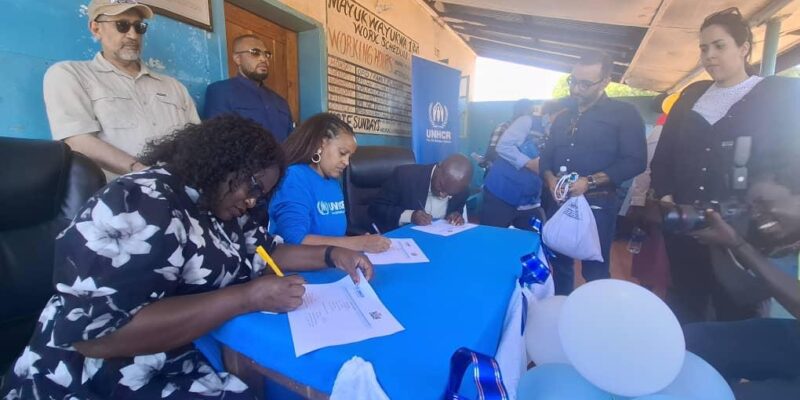
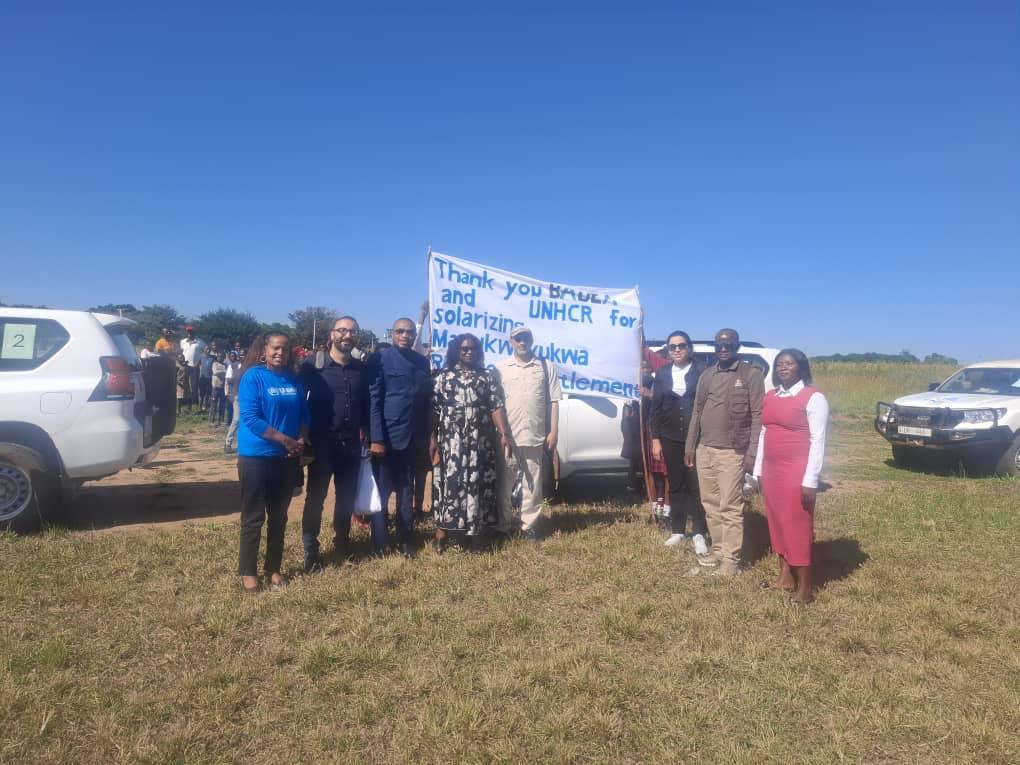
The Arab Bank for Economic Development in Africa (BADEA) has unveiled a US$500,000 solarisation project at the Mayukwayukwa Refugee Settlement in Zambia’s Western Province, aimed at improving energy access and service delivery for refugees and host communities.
BADEA President, Abdullah Almusaibeeh, said the initiative benefited more than 50,000 people, including refugees and members of the host community, reflecting Zambia’s commitment to inclusive service delivery.
Speaking during the launch on Thursday, Almusaibeeh said the project had provided renewable energy to key public service infrastructure in both Mayukwayukwa and Mantapala refugee settlements, significantly improving living conditions and service delivery.
He said key facilities, including six schools and four rural health centres, had been equipped with off-grid solar power systems, providing reliable and sustainable electricity for the first time.
In addition, 100 solar streetlights have been installed across the settlement, improving safety, security, and enabling social and economic activities to continue after dark.
Almusaibeeh said the project demonstrated the importance of sustainable infrastructure in long-term development.
Read More: UNHCR, Zambia launch landmark survey on refugees, host communities
“Today, we are not merely inaugurating a project—we are celebrating hope, resilience, and partnership. Access to reliable and sustainable energy is a fundamental enabler of development. Through this initiative, we are proud to support improved healthcare, enhanced education, and greater safety for both refugees and host communities,” he said.
He added that the partnership between BADEA and UNHCR showed how collaboration can deliver transformative and sustainable impact, empower communities, and build more resilient livelihoods.
District Commissioner for the area, Muyambango Kashina Sheba, said the solarisation of health facilities had significantly improved service delivery.
“Health workers can now safely perform night-time deliveries, maintain cold chains for essential medicines, and provide more reliable emergency care,” Sheba said.
He added that in schools, access to electricity had extended study hours, improved learning environments and academic outcomes, and reduced reliance on hazardous kerosene lamps.
UNHCR said the project aligned with Zambia’s national development goals and its commitments under the Global Refugee Forum to expand sustainable energy access in refugee settlements.
WARNING! All rights reserved. This material, and other digital content on this website, may not be reproduced, published, broadcast, rewritten or redistributed in whole or in part without prior express permission from ZAMBIA MONITOR.






Comments