
 By
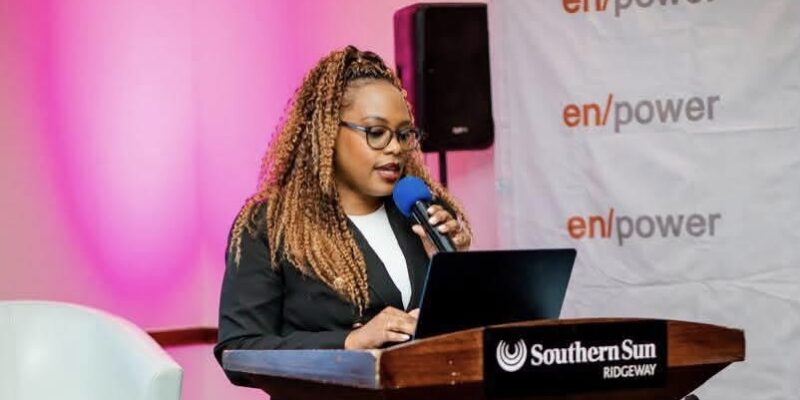
Women have been urged to take a leading role in shaping Africa’s energy transition by driving innovation, influencing policy and developing sustainable energy solutions.
Sarah Banda Ortiz, Director of Sustainability and Membership Lead at Women Leaders for Climate Action (WLCA), said women should not be viewed merely as beneficiaries of the transition but as innovators, decision-makers and catalysts for change.
Speaking during the second session of the Women and Economic Resilience Webinar Series, titled “Women Energizing Africa: Opportunities and Roles for Women in the Just Energy Transition,” she said women’s participation was critical to building resilient communities and sustainable economies.
Read more: World Bank urges Zambia to expand opportunities for women in energy sector
“As Zambia continues to experience the impacts of climate change, from prolonged droughts and energy shortages to increasingly unpredictable weather patterns, the conversation around energy has become more important than ever.
“Energy is not just about powering homes and industries. It is about creating jobs, supporting businesses, improving livelihoods, and building resilient communities,” Banda-Ortiz said.
She said women needed meaningful opportunities to participate in and influence the transformation of the energy sector.
Meanwhile, Enterprise Power Manager for Legal, Corporate Affairs and Projects, Kasweka Konga, said women should be actively involved in developing energy projects, shaping policy, negotiating major investment deals and owning businesses within the sector.
Konga said the energy industry had historically been male-dominated, with women often finding themselves as the only female participants in key industry discussions.
She said opportunities in the energy sector extended beyond traditional technical professions, adding that women from different professional backgrounds could contribute to its development.
Konga said the just energy transition should not only deliver cleaner, more reliable and affordable energy but also create meaningful economic opportunities for women.
She added that creating pathways for women to influence policy, attract investment and lead businesses was essential to ensuring inclusive growth in the sector.
WARNING! All rights reserved. This material, and other digital content on this website, may not be reproduced, published, broadcast, rewritten or redistributed in whole or in part without prior express permission from ZAMBIA MONITOR.












Comments