
 By
By 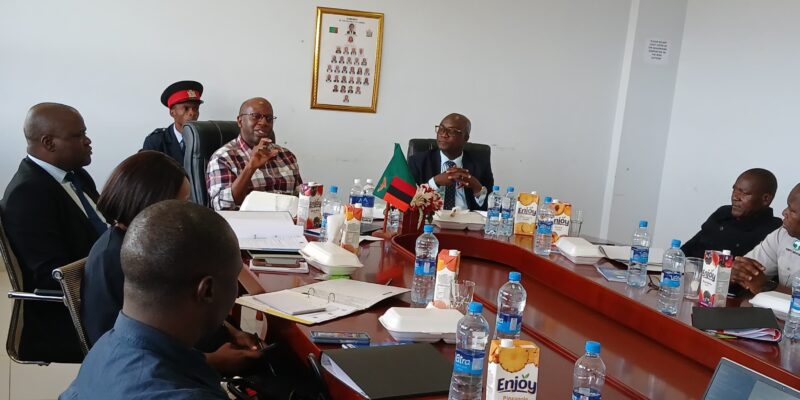
The World-Wide Fund for Nature (WWF) Zambia has pledged continued support for the GEF-7 Sustainable Luangwa Project, describing it as a catalytic intervention to address land degradation and biodiversity loss while improving livelihoods.
The project aims to bring over 40,000 hectares under sustainable management, establish Community Forest Areas, strengthen protection of the Mafinga Hills National Forest Reserve, and support the development of a Water Resources Protected Area in the Luangwa headwaters.
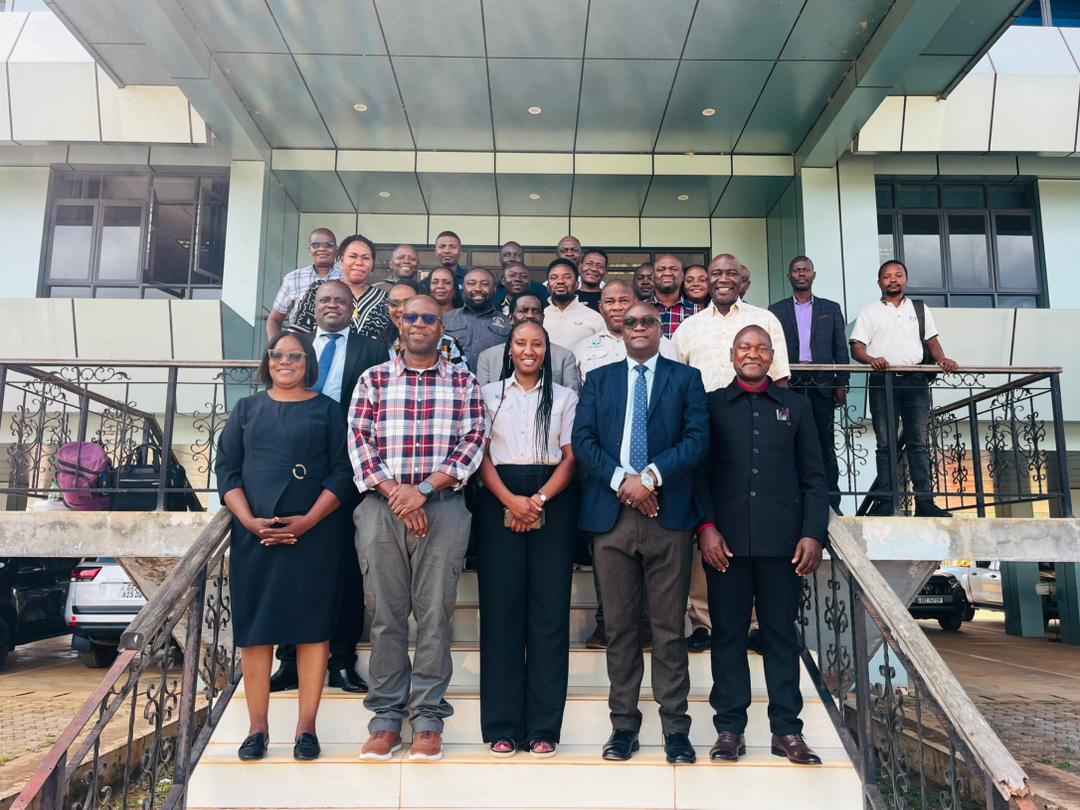
Country Director, Nalucha Ziba, said this during the Second Meeting of the National Steering Committee held in Chinsali District of Muchinga Province.
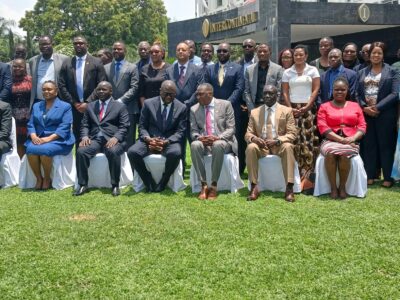
The meeting was attended by the Permanent Secretary, Ministry of Green Economy and Environment, Dr. Douty Chibamba, the Permanent Secretary, Muchinga Provincial Administration, Dr. Tuesday Bwalya, and representatives from government, academia, and cooperating partners.
Ziba noted that the Luangwa upper sub-catchment “continues to face increasing pressure from population growth, unsustainable agricultural expansion, deforestation, and encroachment into fragile ecosystems.”
“These drivers are interconnected and require systemic responses, the loss of forests in the headwaters undermines biodiversity, degrades water quality and flows, and weakens ecosystem services critical for livelihoods, food security, and national development,” she said.
On community development, Ziba said the project was supporting over 2,600 households to adopt climate-smart agriculture and is strengthening local capacity and resilience to climate change.
Ziba also highlighted plans to promote agroforestry, community-based natural resource management, and nature-positive value chains to create opportunities for youth and women.
She said improved catchment management would deliver more reliable and cleaner water, enhance ecosystem services, and increase resilience to climate variability.
“One of the critical lessons emerging from this work is that impact depends on how well we align and coordinate our efforts,” Ziba said.
In his speech, Chibamba said the project remained a critical intervention aimed at strengthening environmental sustainability, enhancing climate resilience, conserving biodiversity, and improving livelihoods within the Luangwa landscape.
He noted the project was contributing to Zambia’s broader national development agenda, including sustainable natural resource management, rural livelihoods, biodiversity conservation, climate change adaptation, and inclusive green growth.
“The project is designed to achieve two significant outcomes, namely enhancing rural livelihoods and promoting sustainable biodiversity management,” Chibamba said.
Read More: Zambia pushes for global action on climate change at COP-30 summit
Similary, Muchinga Province Deputy Permanent Secretary Brian Sichande said protecting the Mafinga Hills ecosystem was a responsibility that must be embraced for the benefit of present and future generations.
Sichande described the Mafinga Hills ecosystem as one of the most important natural assets in Mafinga District and the entire country.
“It serves as a critical water catchment area, a biodiversity hotspot, and a source of livelihood for many surrounding communities,” he said.
Sichande however, said the area continued to face numerous challenges, including deforestation, unsustainable land-use practices, climate change, and increasing pressure on natural resources.
“These threats require urgent and coordinated interventions to ensure the long-term sustainability of the ecosystem,” he said.
The Deputy Permanent Secretary said the Provincial Administration and the people of the region were grateful for the support rendered through the Sustainable Luangwa Project to address challenges in the Mafinga landscape.
WARNING! All rights reserved. This material, and other digital content on this website, may not be reproduced, published, broadcast, rewritten or redistributed in whole or in part without prior express permission from ZAMBIA MONITOR.







Comments