
 By
By 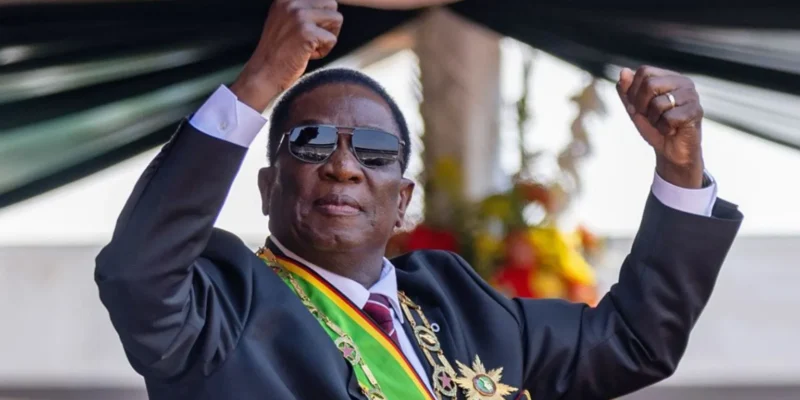
Zimbabwean President, Emmerson Mnangagwa, has signed into law constitutional amendments extending presidential and parliamentary terms from five to seven years, allowing him to remain in office until 2030 after Parliament approved the changes last month.
Government spokesperson, Nick Mangwana, announced on Tuesday as reported by Business Insider that the constitutional amendments had been “signed, sealed and delivered,” officially bringing them into effect.
The new law postpones Zimbabwe’s next general election from 2028 to 2030, extending President Mnangagwa’s current and constitutionally final term by two years.
Read more: 83-year-old Mnangagwa could stay in power until 2030 under proposed Zimbabwe law
It also introduces a major change to Zimbabwe’s electoral system by providing that future presidents will be elected by Parliament instead of through a direct popular vote.
The amendments follow months of political debate after the ruling Zimbabwe African National Union-Patriotic Front (ZANU-PF) proposed the reforms, arguing they would improve governance and align electoral cycles.
The proposals, however, have drawn strong opposition from political parties, civil society organisations, constitutional lawyers and some veterans of Zimbabwe’s liberation struggle, who argue that extending presidential terms should have been approved through a national referendum.
President Mnangagwa, 83, had previously stated that he would step down when his second term ends in 2028, in line with the Constitution.
However, calls within ZANU-PF for him to remain in office gathered momentum over the past two years, with party supporters arguing that he should be allowed more time to complete his development agenda.
The ruling party adopted a resolution supporting the constitutional amendments in 2025 before Cabinet approved the draft legislation earlier this year.
Both houses of Parliament passed the amendments in June, paving the way for the President to sign them into law.
Supporters of the reforms argue that Parliament acted within the Constitution because the existing two-term limit for presidents remains unchanged, although each term has now been extended from five to seven years.
Several legal challenges seeking to overturn the amendments remain before Zimbabwe’s courts.
WARNING! All rights reserved. This material, and other digital content on this website, may not be reproduced, published, broadcast, rewritten or redistributed in whole or in part without prior express permission from ZAMBIA MONITOR.










Comments