
 By
By 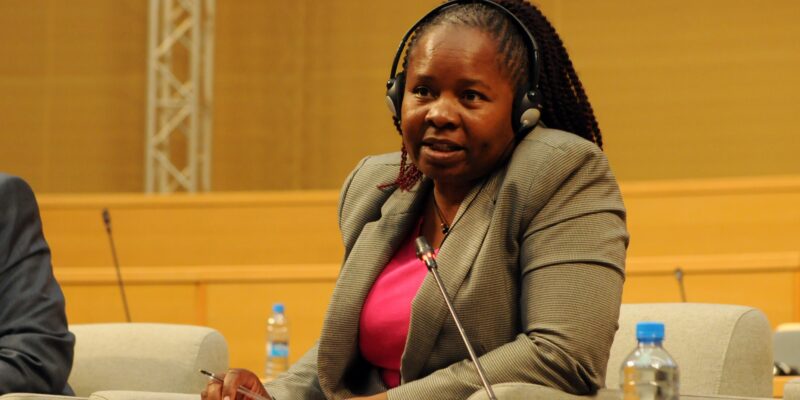
Government has launched a US$3.5 million programme aimed at reducing Zambia’s dependence on copper by strengthening the agriculture and livestock sectors and expanding non-traditional exports.
The Zambia Trade Competitiveness and Export Diversification Programme, being implemented under the Enhanced Integrated Framework (EIF) Phase III, will run from 2026 to 2031 and focus on institutional reforms and development of the beef value chain for regional and international markets.
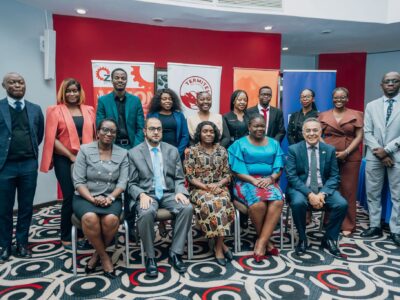
Speaking during the EIF Phase III Country Programme Document (CPD) stakeholder validation meeting in Lusaka on Monday, Ministry of Commerce, Trade and Industry Permanent Secretary for Trade, ms Lilian Bwalya, said Zambia must accelerate efforts to diversify its economy amid growing global uncertainties.
Bwalya argued that the country’s continued reliance on copper exports left it vulnerable to fluctuations in international commodity prices.
“The global economic environment continues to evolve rapidly. Countries today compete not only on the basis of natural resources, but increasingly on competitiveness, efficiency, investment readiness and institutional effectiveness,” she said.
Read more: SADC ministers call for regional fertilizer harmonisation, animal vaccine bank for food security
She said regional trade frameworks such as the Common Market for Eastern and Southern Africa (COMESA), the Southern African Development Community (SADC) and the African Continental Free Trade Area (AfCFTA) provide significant opportunities for value addition and export growth.
Bwalya described the CPD as a strategic framework designed to use trade as a catalyst for industrialisation, economic transformation and sustainable growth.
A key component of the programme is the establishment of an Investor One-Stop Shop (OSS), which is expected to simplify business procedures, improve coordination among institutions and enhance Zambia’s investment climate.
“The OSS is strategically important because it seeks to improve investor experience, reduce administrative bottlenecks, improve institutional coordination and strengthen Zambia’s investment climate,” she said.
Bwalya added that the initiative represented a long-term institutional reform that will continue to benefit the country beyond the lifespan of EIF funding by fostering investor confidence.
She called for stronger collaboration among public and private sector stakeholders, including the Zambia Development Agency (ZDA), Zambia Bureau of Standards (ZABS), Zambia Compulsory Standards Agency (ZCSA) and the Zambia Revenue Authority (ZRA).
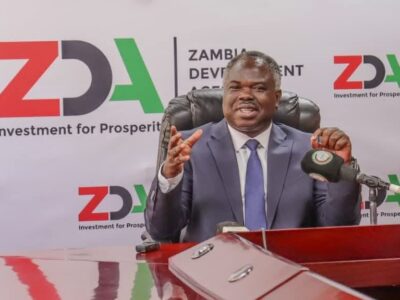
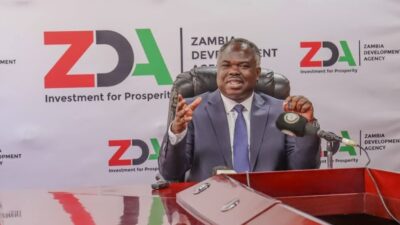
Meanwhile, Zambia Development Agency Director General Albert Halwampa said the agency was committed to ensuring the successful implementation of EIF Phase III to boost non-traditional exports.
Halwampa said the programme was expected to increase Zambia’s non-traditional exports by 15 percent while unlocking up to US$2 billion in agricultural and livestock exports to markets within COMESA, SADC and the AfCFTA.
“The beef export value chain is highly viable. We want to work with investors to develop the entire ecosystem, from infrastructure and free-range breeding programmes to cold-chain logistics and compliance with international standards,” he said.
He added that ZDA would provide continuous support to investors to ensure projects generate employment, add value to local products and contribute to economic growth.
European Union Programme Manager, Christiane Haziyo, reaffirmed EU’s commitment to supporting Zambia’s investment and trade agenda.
Haziyo said the EU had been actively involved in the earlier phases of the EIF project and remained a key partner in strengthening bilateral trade cooperation.
EIF Country Coordinator, Apirva Mudliar, commended stakeholders for their dedication during the consultative and technical processes that led to the development of the programme document.
WARNING! All rights reserved. This material, and other digital content on this website, may not be reproduced, published, broadcast, rewritten or redistributed in whole or in part without prior express permission from ZAMBIA MONITOR.




Comments