
 By
By 
The Zambia Chamber of Commerce and Industry (ZACCI) has pledged its continued support for policy reforms aimed at improving the business environment and unlocking Zambia’s economic potential as the country pursues the implementation of a 24-hour economy.
Speaking on Tuesday during a high-level stakeholder engagement forum jointly organized by ZACCI and the University of Zambia (UNZA), ZACCI president Antony Kabaghe said building a resilient economy would require sustained collaboration among policymakers, academia and the private sector.
The forum was held under the theme, “Powering a Sustainable 24-Hour Economy: Building Resilience Amid Global Shocks, Redefining Business Efficiency, Driving Productivity, Unlocking Growth and Enhancing National Competitiveness.”
Kabaghe said the private sector remained committed to working with Government and other stakeholders to create an enabling business environment capable of supporting sustainable economic growth.
Read more: ZACCI, Prospero partner to boost growth, competitiveness of MSMEs
“We will continue to work closely with the ministry, academia, development partners and other stakeholders to advocate for policies and reforms that enable the business environment and promote sustainable economic growth,” Mr Kabaghe said.
He noted that unlocking Zambia’s full economic potential and creating lasting prosperity would depend on continued engagement and cooperation among key stakeholders.
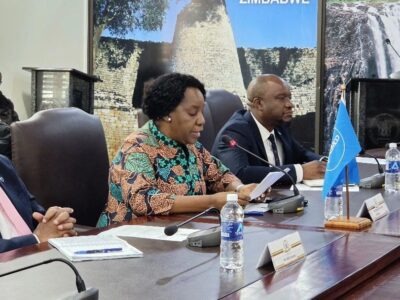
Meanwhile, Ministry of Commerce, Trade and Industry Permanent Secretary for Trade Lilian Bwalya said government remains committed to transforming Zambia into a 24-hour economy as a strategy to enhance productivity, stimulate growth and improve competitiveness.
Bwalya said the proposed model seeks to maximize the use of national assets, infrastructure and human capital by extending economic activity beyond traditional operating hours.
“The concept has gained increasing prominence across the world as countries seek innovative ways to attract investment, create jobs and improve productivity,” she said.
Also speaking at the forum, UNZA Deputy Vice-Chancellor for Research and Innovation Trywell Kalusopa said Zambia could not achieve meaningful economic resilience while productive assets remained idle for much of the day.
He added that realizing a 24-hour economy would require strategic investment in human capital, labour productivity, technology and modern infrastructure.
Prof Kalusopa further challenged businesses to move away from traditional operating models, arguing that a modern round-the-clock economy demands advanced infrastructure, data analytics and continuous innovation.
WARNING! All rights reserved. This material, and other digital content on this website, may not be reproduced, published, broadcast, rewritten or redistributed in whole or in part without prior express permission from ZAMBIA MONITOR.









Comments