
 By
By 
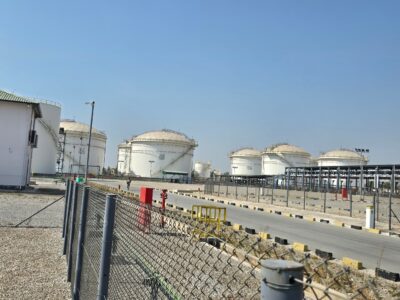
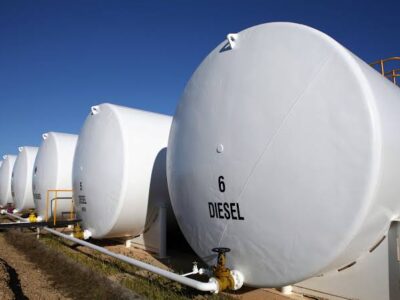
Zambia currently holds 111.27 million litres of diesel, representing 21 days of stock cover, as government moves to assure the nation of stable and uninterrupted fuel supply despite global market volatility, the government has announced.
Ministry of Energy Permanent Secretary in charge of Energy, Professor Ephraim Munshifwa, said the country also had 29.75 million litres of petrol representing 15 days of cover, 102,716 litres of kerosene for 22 days, and 2.96 million litres of Jet A-1 for 15 days.
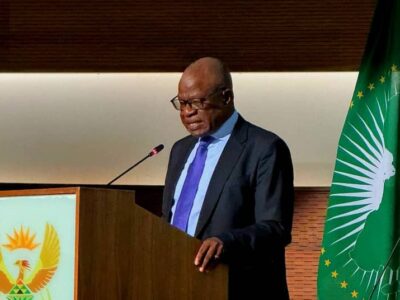
The stock position was announced in Lusaka on Wednesday during a sector update press briefing on Petroleum sub-sector achievements, where Munshifwa also detailed new storage capacity and policy reforms implemented since 2021.
Munshifwa said additional cargoes were already secured under commercial arrangements.
He said one of the biggest reforms was government’s 2022 decision to disengage from financing petroleum procurement, leaving the private sector to assume full responsibility while the state focused on policy and regulatory oversight.
“As a result, petroleum procurement debt has fallen sharply. Petroleum procurement debt has reduced from over US$900 million in 2022 to approximately US$210 million as of July 2026. This has significantly reduced government’s fiscal exposure,” Munshifwa restated.
On pipeline infrastructure, Munshifwa said the government converted the TAZAMA Pipeline from transporting commingled feedstock to transporting diesel, a move officials said improved operational efficiency and strengthened the national supply chain.
He said the April 2025 introduction of the TAZAMA Open Access Framework further liberalised the market.
“By allowing Oil Marketing Companies to directly import and transport diesel, the TAZAMA Open Access Framework resulted in lowered transportation costs and fostered competitive pricing which has ultimately benefited consumers through reduced pump prices,” Munshifwa said.
Munshifwa said government, however, temporarily suspended the framework until September 2026 due to escalating geopolitical tensions in the Middle East.
“This is a temporary intervention and not a reversal of government policy. It was a prudent decision aimed at ensuring uninterrupted fuel supply during the global crisis. Zambia has continued to maintain relatively lower pump prices in the region despite the disruptions,” he said.
Munshifwa stated that the reforms had positioned Zambia among the region’s most competitive and resilient petroleum markets.
“Together, we have strengthened our petroleum sector. Together, we have enhanced our nation’s energy security. The future of Zambia’s petroleum sub-sector is bright, and government remains fully committed to ensuring secure, reliable and affordable petroleum products while positioning Zambia as a leading regional petroleum logistics hub,” he said.
WARNING! All rights reserved. This material, and other digital content on this website, may not be reproduced, published, broadcast, rewritten or redistributed in whole or in part without prior express permission from ZAMBIA MONITOR.






Comments