
 By
By 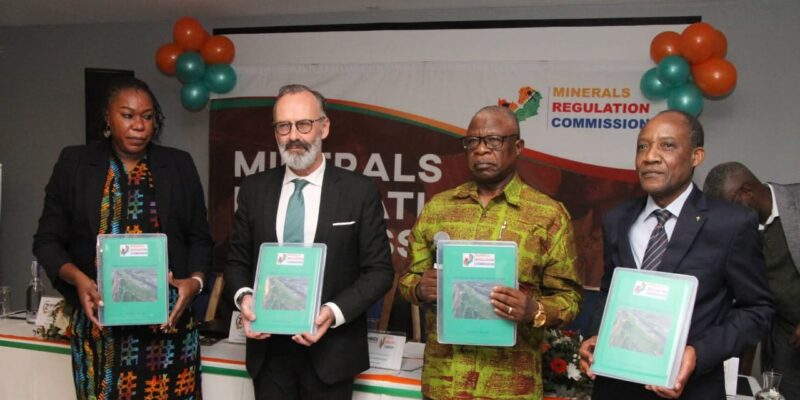
Government has launched new Mine Closure Planning Guidelines aimed at ensuring mining companies plan for environmental rehabilitation and community welfare from the start of mining operations through to closure.
Speaking at the launch in Lusaka on Friday at Radisson Blue hotel, Ministry of Mines and Minerals Development Permanent Secretary, Hapenga Kabeta, said the guidelines formed part of government’s efforts to strengthen regulation of mine closure and rehabilitation while promoting sustainable mineral resource development.
Kabeta said the framework, developed under Section 95 of the Minerals Regulation Commission Act No. 14 of 2024, provided a comprehensive approach to planning, implementing, reviewing and regulating mine closure throughout the life cycle of mining projects.
Read more: Copper prices climb on supply concerns as oil extends rally
He said the guidelines sought to address long-standing challenges associated with abandoned mine sites, environmental degradation and inconsistent closure practices by making mine closure planning an integral part of mining operations.
“Responsible mining is not measured solely by production volumes or investment levels, but equally by environmental stewardship, social responsibility and long-term economic resilience,” Kabeta said.
He said the guidelines promoted risk-based planning, stakeholder engagement, progressive rehabilitation, financial assurance and transparent regulatory oversight, bringing Zambia’s mining sector closer to international best practice.
Minerals Regulation Commission Director General,Thomlison Hara, said the guidelines provided greater clarity and predictability for mining companies while giving communities confidence that mine closure would safeguard livelihoods, environmental quality and future land use.
Hara noted that Zambia had benefited from mining for decades but had also inherited abandoned infrastructure, environmental damage and social challenges resulting from poorly planned mine closures.
He said the new framework required early planning, progressive rehabilitation, financial provisioning and meaningful participation of workers, surrounding communities and traditional leaders throughout the life of a mine.
Swedish Ambassador to Zambia, Johan Hallenborg, described the guidelines as a major step towards ensuring environmental rehabilitation was considered throughout the entire mining cycle rather than only at the end of mining operations.
Hallenborg said effective mine closure protected ecosystems, water resources and communities while strengthening investor confidence through greater accountability and transparency.
WARNING! All rights reserved. This material, and other digital content on this website, may not be reproduced, published, broadcast, rewritten or redistributed in whole or in part without prior express permission from ZAMBIA MONITOR.









Comments