
 By
By 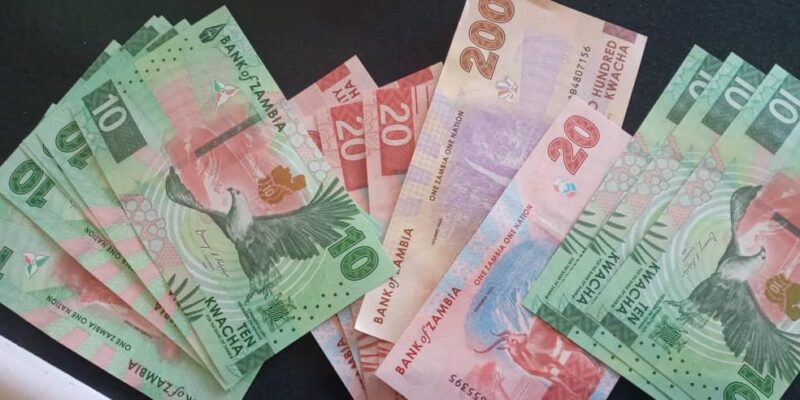
The Zambian Kwacha weakened for a fourth consecutive trading session on Wednesday as sustained demand for the US dollar continued to outstrip available foreign currency supply on the market.
According to Bloomberg data, the local unit depreciated by 0.94 percent to close just below the K17.90 per US dollar mark, reflecting mounting pressure from importers and other market participants seeking hard currency.
Market activity indicated that demand-side pressures remained elevated, while foreign currency inflows continued to be subdued, leaving the kwacha vulnerable to further losses.
Meanwhile, Access Bank group Analysts said the US dollar eased against most major global currencies after the signing of an interim peace agreement between the United States and Iran boosted investor confidence and reduced demand for traditional safe-haven assets.
Read more: Kwacha expected to hold near K17 as Zambia advances Eurobond buyback plan
“The reopening of the Strait of Hormuz and declining oil prices helped reverse part of Wednesday’s sharp dollar rally, which had been fuelled by a hawkish policy stance from the US Federal Reserve,” she said.
Despite the temporary pullback, analysts say the broader outlook remains supportive for the greenback.
Federal Reserve Chair, Kevin Warsh’s firm commitment to tackling inflation has strengthened market expectations of further monetary tightening.
Investors are now pricing in the possibility of another US interest rate hike by October, with the risk of additional increases thereafter, a development that could continue to weigh on emerging market currencies, including the Kwacha.
The stronger dollar environment is likely to keep pressure on the local currency in the near term, particularly if foreign exchange demand remains elevated and export earnings fail to improve.
WARNING! All rights reserved. This material, and other digital content on this website, may not be reproduced, published, broadcast, rewritten or redistributed in whole or in part without prior express permission from ZAMBIA MONITOR.











Comments