
 By
By 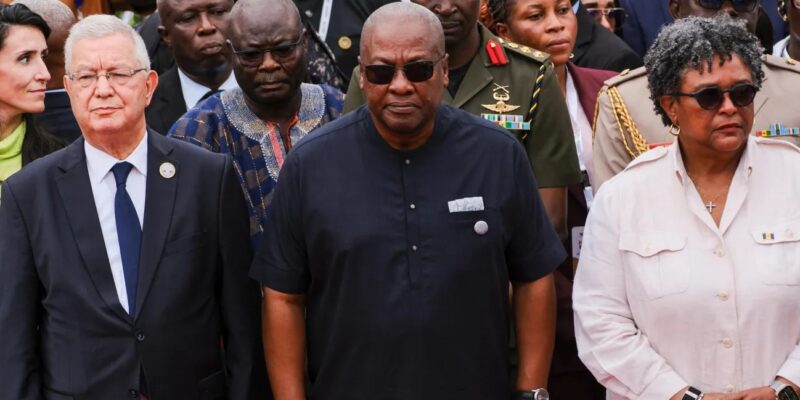
African and Caribbean nations have renewed calls for formal apologies and reparations from countries that profited from the transatlantic slave trade, describing it as a necessary step toward historical justice and reconciliation.
The appeal was made at the conclusion of a three-day conference in Accra, Ghana, which focused on advancing the global campaign for reparatory justice.
BBC reports that delegates argued that nations which benefited from slavery must acknowledge their historical role and take concrete steps toward redress.
The push comes in the wake of a landmark United Nations resolution passed in March, which described the transatlantic slave trade as the “gravest crime against humanity” and urged member states to support the creation of a reparations fund.
Between the 15th and 19th centuries, an estimated 12 to 15 million African men, women, and children were forcibly taken from their homelands and transported to the Americas, where they were enslaved under brutal conditions.
At the conference, a 19-point “Next Steps” reparations plan was endorsed. It calls for measures including comprehensive debt relief, restitution of stolen cultural artefacts, and the establishment of a global reparations fund, though no specific financial figure was proposed.
Read more: US, Iran sign initial peace deal to end war, reopen Strait of Hormuz
The plan also highlights the lasting and disproportionate effects of slavery on African women and girls.
Leaders at the meeting also urged former slave-trading nations to issue full and unconditional apologies.
Ghana’s President, John Dramani Mahama, told delegates that while history does not demand inherited guilt, it does demand responsibility.
French President, Emmanuel Macron, speaking virtually, acknowledged that enslaved Africans were dehumanised and treated as property. However, he cautioned that reparations should not be reduced solely to financial payments, arguing they should not be viewed as a final “settlement”.
The March UN General Assembly vote saw 123 countries support the resolution, with the United States, Israel, and Argentina opposing it, while 52 nations, including the United Kingdom and European Union members, abstained. Although symbolic, such resolutions are not legally binding.
Several Western governments, including the UK and US, have rejected the idea of reparations, arguing there is no legal basis for liability for historical injustices. They also questioned how beneficiaries would be determined.
To date, no country has paid reparations directly to descendants of enslaved Africans, although some governments previously compensated slave owners after abolition, including the UK in the 1830s.
WARNING! All rights reserved. This material, and other digital content on this website, may not be reproduced, published, broadcast, rewritten or redistributed in whole or in part without prior express permission from ZAMBIA MONITOR.







Comments