
 By
By 
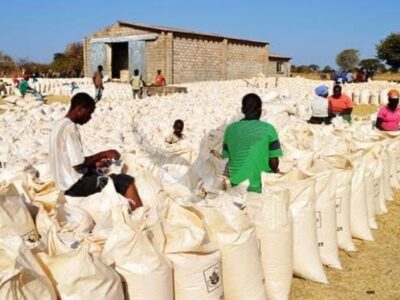
Approximately 1.2 million people or 5percent of Zambia’s population are expected to face acute food insecurity between october this year and march 2027, new data from the Integrated Food security Phase Classification has shown.
Secretary to the Cabinet, Patrick Kangwa, said data from the 93 districts assessed represented an alarming 72 percent jump from the nearly 700,000 people currently facing crisis levels of hunger in the country as a result of climate change.
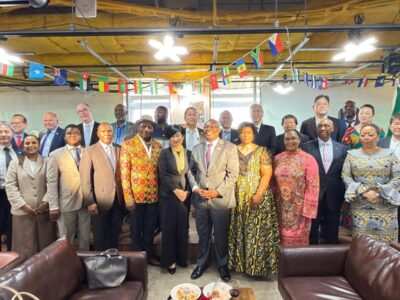
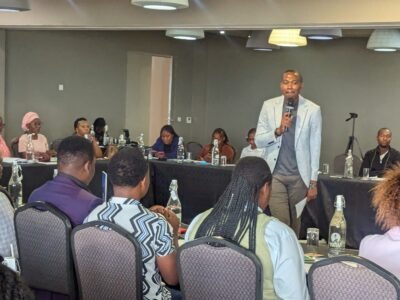
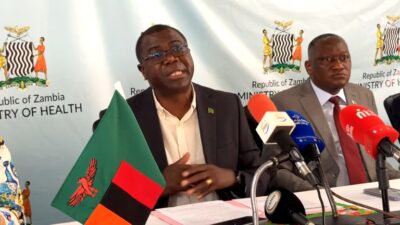
Kangwa said this in Lusaka on Friday at the Radisson Blu Hotel during the launch of the National Seasonal Rainfall Forecast Outlook for the 2026/2027 rainy season to provide critical information for planning and preparedness across the country.
He said a forecast of this nature was not merely a collection of meteorological statistics but that it was an early-warning roadmap designed to safeguard national development gains.
“Learning hard lessons from the 2023/2024 experience and heeding the regional call from sarcof-33 to shift from reaction to prevention, waiting for disaster to strike is no
longer an option,” Kangwa said.
The Secretary to the Cabinet directed all Permanent Secretaries and Provincial Administration Heads to immediately operationalize multi-sectoral contingency plans with responses tailored to the different climatic conditions expected across the country
He emphasized that the polarized nature of the 2026/2027 season demands targeted, proactive interventions across all climate-sensitive sectors
“Government has reduced the number of people requiring humanitarian emergency food assistance by 79.3 percent over the past two growing seasons, and underscored the need to protect this progress through proactive action,” Kangwa claimed.
He also directed Ministries, Provincial Administrations and Local Authorities to immediately activate contingency measures following forecasts of a drier and hotter than normal 2026/2027 rainy season in much of Zambia.
Kangwa stated that the country should use available climate information to strengthen preparedness and protect lives and livelihoods, rather than wait for disasters to occur before taking action.
“Rainfall patterns are expected to vary across the country, with the Northern Belt expected to receive above-normal to normal rainfall, the Central Transition Zone experiencing changing rainfall conditions, and the Southern Belt facing below-normal rainfall and a delayed onset of the rains,” he said.
Kangwa emphasised that El Niño was expected to be the main driver of Zambia’s weather conditions during the season, with forecasters and the World Meteorological Organisation placing the probability of its development at more than 90 percent.
He recalled the impact of the 2023/2024 El Niño-induced dry spells on crops, water reservoirs and livestock, which resulted in Government providing emergency relief to more than 5.8 million people, while nearly one million hectares of maize out of the 2.27 million hectares planted were lost.
Kangwa advised farmers in the drier southern and central areas to consider early-maturing and drought-tolerant crops, and to await confirmation from the Zambia Meteorological Department on the onset of the rains before planting.

Read More: Zambia pushes for global action on climate change at COP-30 summit
He called for increased monitoring of dam levels, water conservation and power generation, particularly in view of anticipated reductions in water inflows into parts of the Zambezi.
“I wish to also direct the National Disaster Risk Reduction and Management Division and the Ministry of Health to prepare for anticipated hazards, including heat and water shortages in the south, as well as possible disease outbreaks and flooding in the north,” Kangwa said.
He commended cooperating partners for supporting the El Niño preparedness plan and the launch of the seasonal rainfall outlook, including the SCRALA project, which is supporting climate resilience among farming communities in 16 vulnerable districts.
Kangwa further urged farmers to work closely with agricultural extension officers and follow advisories from the Zambia Meteorological Department, stressing the importance of making planting decisions based on scientific information rather than the calendar alone.
Ministry of Green Economy and Environment Permanent Secretary Dr Douty Chibamba said as the ministry responsible for green economy, environment, and meteorological services, it recognised the critical importance of timely and accurate climate information.
Chibamba said grounded in regional frameworks like sarcof-33, the outlook provided the country with the vital early warning intelligence required to steer national preparedness.
“Safeguarding our economy and our people against climate shocks demands this exact level of multi-sectoral coordination and early action,” he said.
WARNING! All rights reserved. This material, and other digital content on this website, may not be reproduced, published, broadcast, rewritten or redistributed in whole or in part without prior express permission from ZAMBIA MONITOR.








Comments