
 By
By 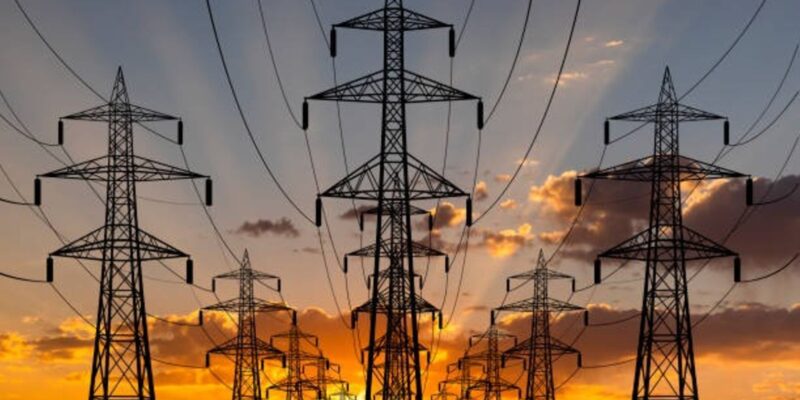
Zambia says it is taking decisive steps to curb transmission and distribution losses in the energy sector, which currently stand at 12.75 percent, significantly above the global average of 7–10 percent.
Energy Minister, Mokozo Chikote, said the high losses were undermining the financial stability of the power utility and limiting electricity supply to underserved communities.
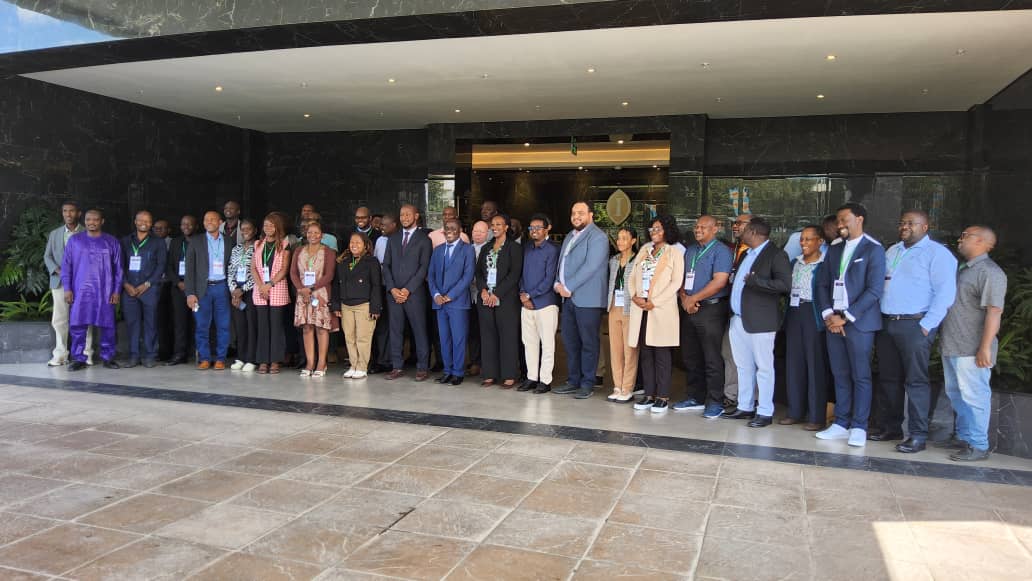
His remarks were delivered in Lusaka on Tuesday by Ministry Director of Planning Sineva Kambenja during a capacity-building workshop on distribution grid losses organised by the African Energy Commission (AFREC).
“The government recognises the challenges posed by grid losses and the opportunities that come with addressing them,” Chikote said.
He explained that, guided by the National Energy Policy, the Ministry and state utility ZESCO were implementing measures to promote efficient energy use.
These include initiatives under the European Union-supported Zambia Energy Efficiency Sustainable Transformation project, expected to cut energy costs and improve industrial performance.
Chikote said Zambia was strengthening its legal and regulatory framework, with amendments to the Electricity Act and Energy Regulation Act, alongside new energy-efficiency regulations aimed at compelling stakeholders to adopt best practices.
He noted that Zambia’s vast geography and long-distance transmission of power from generation sites contributed significantly to energy losses.
Read More: Zambia secures $154 million climate-resilient energy investment
AFREC Executive Director Rashid Ali Abdallah, in remarks delivered by Yagouba Traoré, Head of Policy Planning and Strategy, said grid losses across Africa exceed 20 percent in many countries—far higher than the 5–10 percent recorded in developed economies.
“The reality is dire. While 40 percent of the continent remains in the dark, African utilities continue to lose nearly a fifth of their generated power,” Abdallah said, describing loss-reduction as “low-hanging fruit” for improving utility performance and reducing consumer costs.
He said AFREC, with Danish support, was implementing the Efficiency First: Powering Africa’s Sustainable Development project, which includes a new handbook to guide countries in measuring and cutting grid losses. More than 200 experts are expected to be trained under the programme.
Abdallah said the initiative formed part of the African Energy Efficiency Strategy (AfEES), which targets a 12 percent improvement in Africa’s energy productivity by 2030 and 50 percent by 2050.
Chikote said hosting the workshop was timely for Zambia as the country intensifies efforts to embed energy-efficient practices across the energy value chain.
WARNING! All rights reserved. This material, and other digital content on this website, may not be reproduced, published, broadcast, rewritten or redistributed in whole or in part without prior express permission from ZAMBIA MONITOR.





Comments