
 By
By 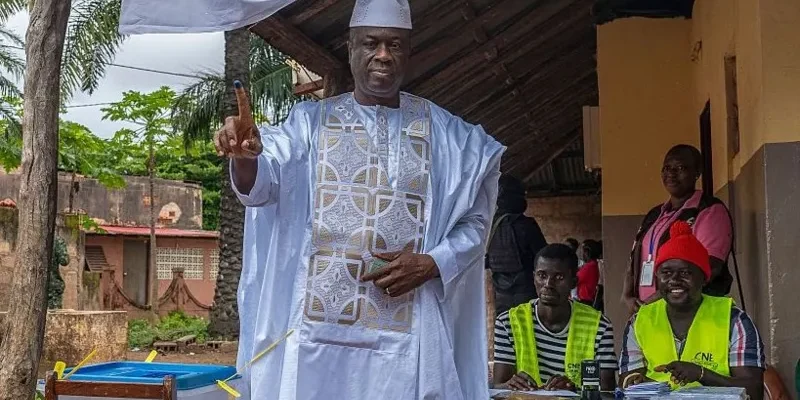
Voters in Guinea-Bissau have approved constitutional reforms that significantly strengthen presidential powers ahead of general elections scheduled for December.
Provisional results from the electoral commission showed that 70 percent of voters backed the proposed changes, while 30 percent rejected them. Turnout was reported at nearly 60 percent.
The referendum was organised by the military authorities that seized power in November last year following a disputed election, according to the BBC.
Under the new constitution, the president will have greater authority over the government, including the power to appoint and dismiss the prime minister and cabinet, as well as create or abolish ministries.
Read more: Tanzania’s ruling party expels former Vice President, Nchimbi, after his resignation
The president will also be allowed to dissolve Parliament in the event of what is defined as a grave political crisis.
The reforms significantly alter Guinea-Bissau’s semi-presidential system, under which the prime minister was previously appointed from the parliamentary majority and played a central role in forming the government.
Military authorities have argued that the changes are necessary to address repeated disputes between presidents and prime ministers, which they blame for contributing to political instability.
However, the main opposition party boycotted the referendum, arguing that the process lacked sufficient political and institutional safeguards and could undermine the country’s return to democracy.
The reforms also reduce the size of Parliament from 102 to 65 seats and cut the number of electoral constituencies from 29 to 12.
Presidential candidates will face new eligibility requirements, including a provision requiring them to have lived continuously in Guinea-Bissau for the five years preceding an election.
The presidential term remains five years, with a maximum of two terms.
The changes come as the West African country prepares for presidential and parliamentary elections in December, which the military authorities have said will pave the way for a return to civilian rule.
Guinea-Bissau has experienced repeated political instability since gaining independence from Portugal in 1974, including at least nine attempted or successful coups.
The country is also regarded as a major transit point for international drug trafficking, with its numerous islands and porous coastline exploited by traffickers.
WARNING! All rights reserved. This material, and other digital content on this website, may not be reproduced, published, broadcast, rewritten or redistributed in whole or in part without prior express permission from ZAMBIA MONITOR.





Comments